
Congressional leaders from both parties are pressing for sworn testimony after reports said Starlink service in Ukraine was slowed during active missions, crippling some drones when speed mattered most.
Story Snapshot
- Lawmakers want witnesses under oath to find who ordered the slowdown.
- Reports say reduced data speeds hobbled some Ukrainian drones.
- Conflicting accounts pit Elon Musk’s claims against denials from U.S. officials.
- Ukraine’s reliance on commercial satellites exposes a national security weak point.
What Prompted Congress To Act
Named lawmakers demanded an investigation after reports said Ukraine’s satellite links were restricted during operations. Representative Brian Fitzpatrick said Congress must “bring them in, put them under oath,” while Senator Elizabeth Warren asked who was responsible. The Wall Street Journal reported that Ukrainian devices saw data speeds reduced, which “effectively crippled” some offensive and interceptor drones. These reports raised concerns about immediate risks to troops and missions, and about who had legal authority over the system in a war zone.
Ukraine has depended on the Starlink network for command, control, and drone operations since early in the war, which makes any outage or limit a direct threat to field units. Analysts say this is the core problem with using commercial space systems for military tasks. One company decision, a contract clause, or a technical change can ripple across the front. That risk grows when key facts about the change are unclear, and when leaders give different stories about who made the call.
Conflicting Accounts On Who Decided What
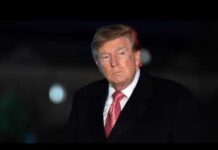
Media reports attributed the slowdown to Elon Musk, saying the move startled officials in Kyiv and confused leaders in Washington. Musk pushed back and said the United States government controlled the military-grade system and set any limits. President Trump denied he or Musk ordered a slowdown, a claim echoed by a United States official and statements that policy had not changed. These contradictions fueled the demand for records, logs, and sworn testimony to settle the chain of command.
Ukrainian voices added operational details. A defense technology adviser said missions failed after an unannounced speed cap on terminals in motion. Other reports said service cut out above about 100 miles per hour, which made some drones easier targets and forced operators to adjust or abort tasks. While these accounts describe disrupted missions, public reports do not tie the episode to confirmed casualties. That gap sharpens calls for after-action reviews and technical audits to measure the full impact on the ground.
The Technical And Legal Unknowns
Reports point to reduced data rates, motion-speed caps, and different rules for commercial Starlink versus the military-focused Starshield, but they do not show what specific setting or code caused the drop. There is no public document proving a White House or Pentagon order. There is also no released instruction from SpaceX showing a deliberate throttle. Those missing records are why lawmakers want access to contracts, change logs, terminal telemetry, and communications among SpaceX, the White House, the Pentagon, and Ukrainian commands.
🎯 WSJ reports Elon Musk ordered restrictions on a satellite service used by Ukraine, raising questions about military connectivity and who authorized the move.
📊 The reported restrictions disrupted some Ukrainian offensive and interceptor drone operations, though the scope is… pic.twitter.com/DqdlDAFCYL
— kautious (@kautiousCo) October 21, 2026
Experts warn that Ukraine’s heavy use of a single commercial network creates a strategic exposure. It simplifies logistics but makes operations vulnerable to any shift by the provider or the customer government, whether by policy, politics, or a software tweak. The fix is not simple. Clear contracts, audit rights, redundancy across providers, and transparent rules for wartime use all take time. But without them, frontline units may keep flying blind when they can least afford it.
Why This Matters Beyond Ukraine
American taxpayers fund large parts of Ukraine’s defense, and American companies now underpin vital war communications. When the lines blur between private control and public authority, accountability can vanish. That frustrates conservatives who see unaccountable contractors and global entanglements, and liberals who fear concentrated corporate power and limited oversight. Both sides are right to demand proof. Congress securing records and sworn testimony would be a basic step to restore trust and ensure clear, lawful control of tools that can decide life or death.
Sources:
insidedefense.com, dw.com, charlotteobserver.com, wsj.com, thehill.com, cnbc.com, english.nv.ua, rawstory.com
© libertysociety.com 2026. All rights reserved.