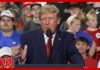

On national television, Treasury Secretary Scott Bessent said “we will own the economy” even as he blamed Biden-era policies and an energy shock for today’s higher prices.
Story Snapshot
- Bessent accepted responsibility going forward while defending Trump’s record to date.
- Kristen Welker pressed him that Trump has led for 636 days and inflation is 3.7% vs. 3% at inauguration.
- Bessent pointed to job gains and record household net worth, but critics focused on gas prices.
- Energy shock claims lacked a public, quantified breakdown tying prices to specific causes.
What Bessent Said And Why It Landed Hard
On October 18, 2026, Treasury Secretary Scott Bessent told NBC’s Meet the Press that the administration would “own the economy.” He argued that recent inflation came from an “energy supply side shock” and from lingering Biden-era policies. Moderator Kristen Welker pushed back. She said President Trump had been in office for 636 days, and inflation was 3% at inauguration but 3.7% now. She asked when the White House would take responsibility for current conditions.
Bessent highlighted areas of strength. He cited about one million private sector jobs added this year, record levels of people working, and the highest household net worth on record. He also said core inflation had been flat or easing before the latest report, and that rents and prescription drug prices were improving. Welker pressed that core inflation excludes energy and food, while families feel pain at the pump now.
The Core Dispute: Timing, Energy, And What Counts
The exchange turned on timing and what to measure. Welker framed the moment as the “Trump economy” because nearly two years have passed. Bessent said energy prices explain much of the pressure on wallets. He also linked oil moves to the conflict with Iran in recent months, arguing that global supply shocks can lift gasoline quickly and feed into prices more slowly elsewhere. The show highlighted voters’ focus on gas and groceries, not just trend lines.
Energy often hits headline inflation fast, while core measures move with a lag. Research finds that energy shocks can pass through to consumer prices in part, and the size and speed can vary by country and conditions. That helps explain why gas can spike even when some core items cool. But Bessent did not present a public, quantified breakdown that shows how much of today’s 3.7% inflation comes from energy versus other causes. That gap left room for critics to question the claim.
Jobs And Wealth Vs. Affordability On Main Street
Bessent’s defense leaned on strong aggregates. Job gains and record household net worth matter for growth and financial stability. Yet many families judge the economy by what they pay each week. Rising fuel, rent, and food can swallow pay raises, even when overall employment looks strong. The interview underscored that split: top-line numbers can hit records while budgets still feel squeezed. The administration’s message risks missing that lived reality if it leans only on aggregates.
Economists say no single president controls all price moves. Global shocks, the Federal Reserve, and prior policy choices all play roles. Still, voters expect accountability. That tension fuels distrust. People on the right see years of high energy costs and blame green rules and globalism. People on the left see a widening wealth gap and blame “America First” trade fights and less aid. Both sides suspect elites make policy while families pay the price. The Bessent–Welker moment tapped those shared doubts.
What Readers Should Watch Next
First, watch for a transparent breakdown. If Treasury has a model that splits current inflation into energy, policy, and global drivers, releasing it would help. A dated chart of gasoline, oil supply changes, and the inflation share tied to each factor would move the debate from talk to facts. Second, look for updated job and wealth data that show how gains are spread by income. Strong totals do not fix pain if the median family slips after inflation.
Third, track any clear policy steps that ease supply. Faster permits, higher refining capacity, or strategic reserve moves can help near term. Longer term, boosting reliable energy supply while avoiding new bottlenecks can steady prices. Finally, measure success by household affordability. Real wages, rent burdens, and typical gas and grocery bills tell the story people live. If the White House says it will “own the economy,” these are the scorecards it must own as well.
Sources:
mediaite.com, yahoo.com, huffpost.com, news.meaww.com, rawstory.com, theconservativetreehouse.com
© libertysociety.com 2026. All rights reserved.