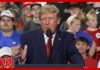

America’s largest business lobby just picked a side in Texas, backing Ken Paxton for the United States Senate.
Story Highlights
- The U.S. Chamber of Commerce endorsed Ken Paxton for the Texas U.S. Senate seat, citing pro-business policies.
- The Chamber praised Paxton for opposing federal overreach, supporting low taxes, and defending the energy sector.
- The group said it expects to work with Paxton on legal reform and cutting red tape for employers.
- The endorsement follows a primary where Paxton defeated the Chamber’s earlier preferred candidate, John Cornyn.
What Happened: A Major Business Endorsement Lands in Texas
The United States Chamber of Commerce, a national business association, announced it is endorsing Ken Paxton in Texas’s United States Senate race. The group said it would highlight the endorsement at an event in Austin and framed Paxton as the candidate for free enterprise and growth. Neil Bradley, the Chamber’s executive vice president and chief policy officer, called the “choice” in Texas clear and credited Paxton for backing policies that help businesses expand and hire.
The Chamber’s statement offered policy reasons for its choice. The group said Paxton pushed back against federal overreach, helped preserve a low-tax environment in Texas, and defended the state’s energy industry from heavy rules. It also said it looks forward to working with Paxton on legal reform to curb lawsuit abuse and on cutting red tape for employers. The announcement did not include internal vote details or member roll calls behind the decision.
Why It Matters: Signals to Voters, Donors, and Lawmakers
Endorsements from business groups often serve two roles: a policy signal and a political nudge. The Chamber says it evaluates and interviews candidates who will stand up for free enterprise and expects continued support for pro-business laws after elections. That stance means endorsements can also be leverage for future negotiations on taxes, regulation, and permitting. Voters often treat endorsements as cues about where a candidate stands on the economy and jobs.
Research on endorsements shows mixed effects. In some races, an endorsement helps voters match with a candidate who shares their views. In others, it has little impact. The clearest benefit comes when the endorsement lowers the “information cost” for busy voters, giving them a quick read on likely policy direction without hours of research. That makes a high-profile backer like the Chamber a useful shortcut in a crowded media cycle.
The Texas Angle: A Competitive Race and a Shift in Allies
The Texas contest is drawing national attention as one of the top races on the November map. Coverage describes the Paxton matchup as a race to watch, which raises the stakes for any major endorsement. When a large business group weighs in, it can shape donor interest, surrogate activity, and how campaigns frame economic messages to older voters worried about costs, energy, and jobs.
This endorsement also follows a sharp primary fight. Reporting states Paxton defeated Senator John Cornyn, who had been seen as the Chamber’s earlier choice. The Chamber’s move now makes practical sense in a general election where it prioritizes policy outcomes. Still, the announcement does not explain what changed in its assessment, and it offers no data on planned spending or voter outreach tied to the endorsement.
What Each Side Hears: Economy, Energy, and the “Deep State” Divide
Conservatives who focus on energy costs and federal mandates will hear support for traditional fuels and limits on Washington’s reach. Liberals who worry about corporate power and uneven gains may see an establishment group throwing its weight into a hot race. Both sides often share a deeper concern: that big institutions, in government and outside it, hold more sway than regular voters. This endorsement underscores how major groups try to steer policy by shaping who wins office.
U.S. Chamber of Commerce just endorsed Ken Paxton in the critical Texas Senate race, and James Talarico’s team isn’t smiling.
The Chamber, which backed John Cornyn in the GOP primary, is now coming off the sidelines for Paxton in the general. Their EVP/Chief Policy Officer said… https://t.co/7FapKDdfhi pic.twitter.com/b2QCUnLWow
— Patricia 🇺🇸 (@1109Patricia) October 18, 2026
What comes next will show whether the endorsement matters on the ground. The Chamber’s statement lists goals like legal reform and cutting red tape. The test is whether those ideas turn into concrete bills and votes if Paxton wins. Without polling or spending figures tied to the announcement, the measurable effect is unknown. For now, the Chamber has sent a clear message about its priorities in Texas and about the kind of economic policy it wants in Washington.
Sources:
redstate.com, uschamber.com, article.wn.com, sanantonioreport.org, tandfonline.com
© libertysociety.com 2026. All rights reserved.