
Eight days before the midterms, President Trump offered $1 million for tips that lead to voter-fraud convictions, without saying who pays or how it works.
Story Snapshot
- Trump promised $1 million for information that results in an arrest and conviction for voter fraud.
- The offer covers past elections and the 2026 midterms, but lacks funding and rules.
- Trump repeated the pledge on camera, stressing the conviction threshold.
- Major outlets note rare, isolated fraud cases and no evidence of widespread fraud.
What Trump Announced, And When
On October 26, 2026, President Trump posted that “anybody reporting Voter Fraud in the past Elections, or the upcoming 2026 Midterm Election, will be paid $1,000,000 upon the arrest and conviction of those that created the Fraud!” He tied payment to both arrest and conviction. The timing came a week before Election Day and framed the offer as part of an election-integrity push. The post did not cite specific cases or elections by name.
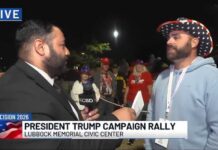
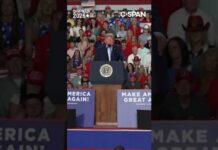
Trump echoed the offer in on-camera remarks the same day. He said he would issue a “million-dollar bonus or reward” for anyone who reports voter fraud that leads to an arrest and conviction. The statement again set conviction as the bar to collect. He did not outline a submission process or explain how the government would decide who earned the payout. Reporters described the remarks as broad and lacking operational detail.
What Is Missing: Money, Mechanics, And Authority
News reports said Trump did not name a funding source for the reward. He did not say which office would run the program or under what law it would operate. No rules explained how to submit tips, how claims would be judged, or whether more than one person could qualify. A White House spokesperson offered no added information and pointed back to Trump’s post. These gaps raise practical hurdles for anyone trying to claim a reward.
The payment trigger also sits far downstream from the tip. A case would need to move from report to investigation, then prosecution, then conviction. The announcement did not define which voter-fraud crimes count, which prosecutors would handle cases, or how a tipster would prove their tip caused the result. Outlets emphasized that no payouts or qualifying convictions had been identified at the time of reporting.
What We Know About Actual Voter-Fraud Cases
Coverage reviewed past incidents to put the offer in context. Reporters noted occasional criminal cases, such as a person casting a ballot for a deceased relative or lying on a mail-ballot form. A conservative policy group’s tracker lists more than 1,600 incidents across four decades, a small share of total votes cast. Major outlets also said there is no evidence of widespread fraud in United States elections, despite isolated cases.
$1M REWARD: President Donald Trump has announced a $1 million reward for anyone who reports voter fraud from previous elections or the upcoming 2026 midterm elections if the information leads to the arrest and conviction of those responsible. https://t.co/t7p6yeECkT pic.twitter.com/62J1gwsPPV
— WFLA NEWS (@WFLA) October 27, 2026
That mix of rare but real incidents fuels public frustration across party lines. Many Americans believe powerful insiders protect the system and dodge accountability. A reward could look like a hard push for accountability. But without clear rules, it can also look like a headline with no engine behind it. Both reactions track with a broader loss of trust in institutions and the sense that government talks big and delivers little.
Why This Matters For Voters Now
The promise lands just before voting, when rumors spread fast. Clear rules would help prevent chaos, duplicate claims, and false reports. Transparency on funding and authority would show whether this is a serious program or only a message. People on the right and left both want fair elections and honest results. They also want leaders to follow the law and respect due process. Those standards require open procedures and verifiable outcomes.
Election integrity is not a partisan wish. It is a basic promise. Real fraud should be found and punished. False tips should be filtered out fast. If the reward becomes real policy, officials will need guardrails that protect cases from politics. If it remains a statement without structure, it could deepen cynicism that Washington is better at slogans than solutions. Voters deserve facts, working systems, and results they can check.
Sources:
thegatewaypundit.com, upi.com, nytimes.com, france24.com
© libertysociety.com 2026. All rights reserved.