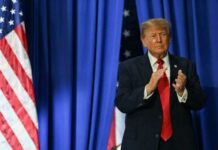

President Trump said the White House was in “horrible shape” when he took office and argued Barack Obama “wouldn’t understand” the repairs he ordered.
Story Highlights
- Trump defended White House renovations after Obama mocked the look as “Cheesecake Factory.”
- Trump cited cracked plaster, damaged masonry, and missing details as problems he fixed.
- Projects cited include exterior repairs, a heliport, a ballroom plan, and interior decor.
- No public technical report was cited to document the building’s prior condition.
What Trump Said And Where He Said It
President Trump, speaking while traveling to a rally in Mississippi on October 26, said he “fixed” the White House “with the finest artisans in the world” and that Obama “wouldn’t understand” the work. He said the residence had been “in horrible shape” and that his team “reskinned” and repaired it. The exchange came after Obama joked that the White House now looked like a Cheesecake Factory, which Trump called proof that Obama was “a lousy president.”
Trump’s remarks tied the building’s condition to his sense of stewardship. He framed the updates as needed repairs, not only style changes. His comments followed days of coverage of Obama’s joke, which focused attention on gold-colored decor and visible design choices rather than structure. By linking back to maintenance needs, Trump argued that critics were missing the point of preserving an American symbol. He said the projects were done carefully and with skilled labor.
Alleged Repairs And Noted Design Changes
Reports summarizing Trump’s claims listed cracked plaster, deteriorating paint, damaged masonry, missing ornamentation, broken decorative pieces, and broken tile as issues. Coverage also referenced exterior plaster work, a helicopter landing area on the South Lawn, a proposed ballroom, Rose Garden paving, and interior decoration with more gold tones. These items mix basic upkeep with high-profile additions, which makes it hard for the public to sort repairs from redesign.
Trump praised the artisans and said the work honored the building’s legacy. Obama’s critique centered on taste and tone, not engineering. The clash showed two frames: Trump’s focus on condition and function, and Obama’s focus on image and restraint. Both men spoke in political settings, which increased heat. But the core facts remain clear: Obama mocked the look, and Trump answered by claiming significant wear and by highlighting craftsmanship and scope.
What We Know And What We Do Not
Published reports quote Trump at length and detail several projects. They do not include an inspection report, contractor list, budget, or a before-and-after record that would verify the severity of the defects or the cost of fixes. Without those documents, the public cannot weigh what was urgent preservation versus optional expansion or decor. That gap helps explain why the debate shifted to jokes and jabs rather than line-item facts.
President Trump said that Obama "wouldn't understand" the renovations he's undertaken at the White House after the former president said Mr. Trump "has got the White House looking like Saddam Hussein opened a Cheesecake Factory." https://t.co/MVE4ePYjsd
— CBS News (@CBSNews) October 27, 2026
White House renovations often spark this kind of fight. Past changes, from Thomas Jefferson’s colonnades to the Truman-era rebuild, also drew fire over cost and character. Controversy is normal around the Executive Mansion, no matter the party in power. The lesson is simple: people argue about the balance between history, function, and image. This dispute fits that pattern, with repairs, additions, and style choices all wrapped into one loud conversation.
Sources:
cbsnews.com, c-span.org, washingtonexaminer.com, newsweek.com, democratandchronicle.com
© libertysociety.com 2026. All rights reserved.