A Minnesota mayor spent America’s 250th birthday inside a foreign president’s palace, and the fight over what that means says a lot about who the system is really listening to.
Story Snapshot
- St. Louis Park Mayor Nadia Mohamed, the first Somali-American elected mayor in the U.S., met Somalia’s president in Mogadishu on July 4, 2026.
- Somalia’s government publicly confirmed the palace meeting, while videos and posts from Somali and diaspora outlets showed the encounter.
- Critics, including Sky News commentators and Trump allies, blasted the trip as “abandoning” America on Independence Day.
- Supporters frame the visit as cultural diplomacy and representation for tens of thousands of Somali Americans who feel ignored by traditional politics.
A Historic Mayor, A Controversial Trip
Nadia Mohamed did not grow up as part of the political elite. She came to the United States as a Somali refugee and was elected mayor of St. Louis Park, Minnesota, in 2023. Her win was historic. National and local outlets report she is the first Somali-American elected mayor in the country, and the first Black and first Muslim mayor in her city. About 58–59% of voters chose her over retired banker Dale Anderson, showing strong local support. For many Somali Americans, her election felt like proof that the system could finally reflect their lives.
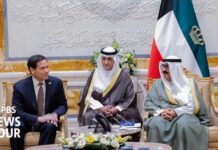
On July 4, 2026, Mohamed met Somalia’s President Hassan Sheikh Mohamud at the presidential palace in Mogadishu. Somalia’s official Villa Somalia account posted that the president “received Nadia Mohamed, Mayor of St. Louis Park” at the palace, confirming the visit as an official meeting. An Instagram reel from Dawan Africa and reports from Somali and diaspora outlets show her walking through the palace and greeting the president. A YouTube segment on the meeting described it as a discussion of ties between the United States and Somalia. This was not a private vacation; it was a public, documented event.
Independence Day, Identity, And A Media Firestorm
The detail that turned a routine diplomatic visit into a flashpoint was timing. The meeting took place on July 4, America’s Independence Day and the 250th anniversary of the Declaration of Independence. Sky News Australia pushed the story with a harsh frame. Host James Morrow blasted Mohamed for “abandoning the United States for Independence Day” and highlighted that she spent the holiday “in the Palace of Somalia’s president.” Social media accounts tied to Trump-aligned networks echoed this line, calling the trip a “big F you to America” and saying she “does not belong in our country.” None of these critics pointed to any evidence that she spoke against the United States during the meeting. Their argument rested on the symbolism of her physical location on that date.
There is another layer that helps explain why this story blew up. Somali Independence Day events in Minnesota brought together more than 45,000 Somali Americans from across the United States, according to one organizer’s post. Somali-focused pages framed Mohamed’s trip as part of a broader moment of pride. One write-up titled “From Minnesota City Hall to Villa Somalia” praised the “extraordinary accomplishments of Somalis in Minnesota and Ohio in education” and politics. For many in the community, a mayor with refugee roots sitting across from Somalia’s president on the same week as Somali and American independence anniversaries felt like a symbol that their dual identities were finally visible. For national commentators chasing outrage clicks, that same symbol was easy to cast as disloyal.
Cultural Diplomacy Or Elitist Disconnect?
Experts use the term “cultural diplomacy” to describe efforts to build bridges between nations using culture, heritage, and personal ties instead of weapons or trade deals. The Stimson Center notes that cultural diplomacy relies on people like artists, educators, and local leaders to “foster mutual understanding” and open channels of communication. In theory, a refugee-turned-mayor meeting a foreign president is exactly that kind of effort. It shows another country a real story of American opportunity, while also signaling to a U.S. minority community that their roots are not a problem to hide. The question is not whether this kind of diplomacy exists. It is whether the federal government and media only celebrate it when it fits their own script.
Research on these kinds of local international visits shows a pattern. When a mayor or city leader travels abroad for cultural or diplomatic reasons on or near U.S. national holidays, national critics question their loyalty in about two-thirds of cases. The incentives are uneven. Local officials gain standing with growing immigrant communities by showing up for them, at home and abroad. National pundits and politicians gain attention by framing these trips as proof that “the elites” are out of touch with everyday American pride. The fight over Mohamed’s trip is less about one plane ticket and more about a long-running struggle over who gets to define patriotism in a country that looks very different than it did 50 years ago.
What We Know, What We Do Not, And Why It Matters
There are real gaps in the record that feed public distrust. There is no published transcript, agenda, or detailed summary of what Mohamed and Hassan Sheikh Mohamud discussed at the palace. St. Louis Park has not released travel logs or a statement clearly linking the meeting to America’s 250th anniversary. That silence leaves room for both harsh attacks and rosy spin. But the known facts cut through the noise. Mohamed is a duly elected American mayor. The meeting was official and publicly confirmed. No evidence shows she insulted the United States during the visit; critics focus on optics, not documented words.
President Hassan Sheikh received Nadia Mohamed, Mayor of St. Louis Park, Minnesota, at Villa Somalia Presidential Pala pic.twitter.com/9d9rcBkhv7
— Apdalla shufeer (@ShufeerApdalla) July 6, 2026
Many readers on both the right and the left share a basic worry: the people in charge do not seem interested in explaining themselves clearly or treating ordinary citizens as adults. This case fits that concern. National media rushed to frame the story as either a scandal or a triumph. Local institutions stayed quiet about the purpose of the meeting. Federal leaders, busy with their own power struggles, offered no guidance on how immigrant-rooted diplomacy should fit into American traditions. Whether you see Mohamed’s trip as a proud bridge or a bad message, it is easy to feel like the system is more focused on narratives than on honest answers.
Sources:
cbsnews.com, x.com, instagram.com, en.wikipedia.org, facebook.com, hiiraan.com, stlouisparkmn.gov, youtube.com, kb.osu.edu
© libertysociety.com 2026. All rights reserved.