
(LibertySociety.com) – President Trump’s apocalyptic warning that “a whole civilization will die tonight” has sparked fierce debate over whether the commander-in-chief is threatening nuclear annihilation or conventional devastation in the escalating conflict with Iran.
Story Snapshot
- Trump issued an ultimatum demanding Iran reopen the Strait of Hormuz by midnight GMT on April 7, 2026, warning an entire civilization could perish
- The threat follows weeks of US-Israeli airstrikes on Iranian infrastructure, military sites, and leadership since late February
- Democrats including Rep. Jan Schakowsky called for impeachment or invoking the 25th Amendment, while scientific groups urged Congress to restrain nuclear first-use authority
- Trump’s rhetoric focused on destroying bridges, power plants, and civilian infrastructure, not explicitly mentioning nuclear weapons
- Vice President JD Vance warned of unused military “tools” in the US arsenal, fueling speculation about escalation options
Presidential Ultimatum Sparks National Security Debate
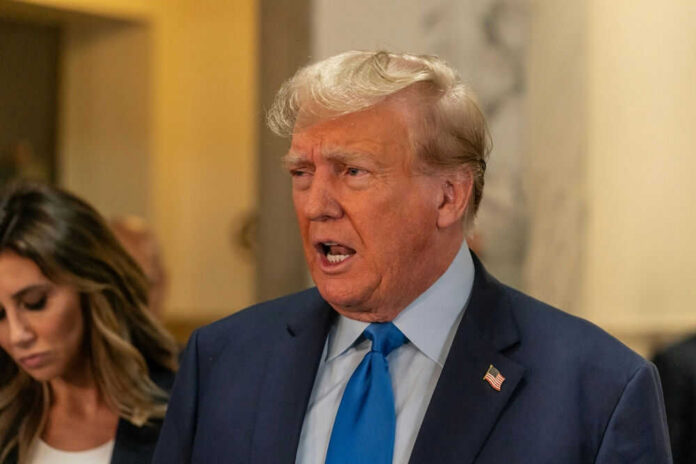
Trump posted his stark warning on Truth Social on April 7, 2026, as a midnight GMT deadline approached for Iran to end its blockade of the Strait of Hormuz. The statement declared that “a whole civilization will die tonight, never to be brought back again. I don’t want that to happen, but it probably will.” The post came amid ongoing US-Israeli military operations that began February 28, targeting Iranian military installations, government leadership, and critical infrastructure including the Kharg Island oil terminal. Trump’s previous statements had threatened to bomb Iran “back to the stone age” by destroying bridges and power plants.
Congressional Critics Demand Presidential Restraint
Representative Jan Schakowsky of Illinois condemned Trump’s threats as reckless and destabilizing, calling for either impeachment proceedings or invocation of the 25th Amendment to remove the president from office. Schakowsky, who participated in negotiations for the 2015 Joint Comprehensive Plan of Action, argued that diplomatic approaches successfully restricted Iran’s nuclear program until Trump withdrew from the agreement in 2018. The congresswoman reported constituents expressing terror over the escalating rhetoric, highlighting growing public anxiety. The Union of Concerned Scientists separately urged Congress to impose restrictions on presidential authority for nuclear first-use, citing the Iran conflict as justification for such constraints.
Strategic Stakes and Military Pressure Campaign
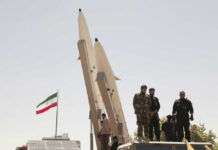
Iran’s de facto closure of the Strait of Hormuz threatens global oil transport through one of the world’s most critical maritime chokepoints. The Trump administration demands complete Iranian capitulation and an end to hostilities, rejecting limited ceasefire proposals. Vice President Vance stated from Hungary that US objectives have been largely achieved but warned Iran possesses the ability to change course, adding cryptically that America has “tools” not yet deployed. Iranian officials through their UN ambassador have rejected the pressure campaign, insisting on a complete end to the war rather than accepting terms under duress.
Conventional Versus Nuclear Threat Assessment
Trump’s explicit threats have focused on conventional military destruction of Iranian civilian infrastructure including power generation facilities, transportation networks, and energy installations. No direct mention of nuclear weapons appears in presidential statements, though the phrase “whole civilization” prompted speculation about atomic warfare. Experts and advocacy organizations raised concerns about potential nuclear escalation given the dramatic language, yet Trump’s specific targets remain bridges, power plants, and oil facilities achievable through conventional bombardment. This distinction matters for understanding whether the administration contemplates crossing the nuclear threshold or employing massive conventional firepower to devastate Iran’s economy and society.
The confrontation represents the most serious US-Iran crisis since Trump’s 2018 withdrawal from the nuclear agreement, with both sides locked in positions that appear incompatible. Iranian leadership refuses capitulation while maintaining Strait closure, and the administration rejects anything short of total Iranian surrender. Global energy markets face disruption as attacks on facilities like Kharg Island cripple Iranian oil export capacity. Americans across the political spectrum increasingly question whether government leaders prioritize national interests or political positioning, as this high-stakes gambit unfolds with potential consequences for regional stability and civilian populations caught in the crossfire.
Sources:
Schakowsky Statement on Trump’s Threats to Iran
Trump Warns ‘Whole Civilization Will Die’ in Iran if Ultimatum Expires
Congress Must Restrain Trump Admin First Use of Nuclear Weapons
Copyright 2026, LibertySociety.com