

(LibertySociety.com) – House Republicans are days away from deciding whether America’s spy powers will keep running as-is—or finally face hard limits to protect Americans from warrantless “backdoor” searches.
At a Glance
- House GOP leaders are pushing a “clean” 18-month extension of FISA Section 702 before it expires April 20, 2026.
- Conservative hard-liners are threatening to block the rule vote unless Congress adds a warrant requirement when Americans’ data is queried.
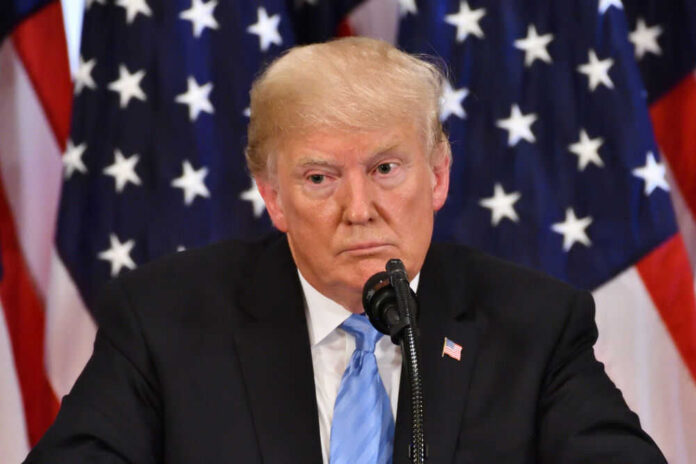
- President Trump is urging GOP unity, while FBI leadership warns a lapse would weaken counterterrorism operations.
- Privacy groups argue the program has a documented history of abuse and that reforms have repeatedly stalled despite bipartisan interest.
A high-stakes deadline collides with a trust deficit
House leaders are preparing a floor vote on extending Section 702 of the Foreign Intelligence Surveillance Act, a surveillance authority first enacted in 2008 and set to expire April 20. Speaker Mike Johnson’s plan centers on a “clean” 18-month reauthorization, a timeline meant to avoid disruptions for intelligence agencies. President Donald Trump is pressing Republicans to unify behind the extension, framing it as essential for national security.
The problem for leadership is math and mood. With a narrow Republican majority, even a small bloc can derail the procedural rule needed to bring the bill to the floor. Several GOP hard-liners have signaled they will not support moving forward unless the bill includes changes aimed at preventing searches of Americans’ communications without a warrant. That intra-party conflict is now driving negotiations and could force a second attempt later in the week.
What Section 702 does—and why “backdoor” searches enrage voters
Section 702 is designed to target non-U.S. persons located abroad for foreign intelligence collection. In practice, the collection can sweep up communications involving Americans when they interact with foreign targets. The sharpest dispute is over “backdoor searches,” where officials query databases for information about U.S. persons without a traditional warrant. Critics argue that this turns a foreign-intelligence tool into a domestic surveillance workaround.
That concern is not confined to one party. Reform attempts have surfaced repeatedly, including a notable effort that reportedly failed by a single vote in a previous House fight. Polling cited by reform advocates shows broad public support for requiring warrants when the government searches for Americans’ data. For voters already convinced Washington plays by a different set of rules than everyone else, surveillance authorities that feel insulated from accountability become a symbol of the broader “government vs. citizens” divide.
GOP split: national security continuity vs. constitutional guardrails
GOP leadership is emphasizing continuity for intelligence agencies and the risks of allowing a lapse, especially with ongoing warnings about terrorism threats. FBI Director Christopher Wray has argued that losing the authority could endanger lives, and supporters of the clean extension say Congress should avoid last-minute disruptions. From that perspective, an 18-month extension buys time while keeping investigators and analysts from losing a tool they consider central.
Hard-liners, including several House members publicly pushing for changes, argue that time is exactly what Congress has already had—and that “later” reliably turns into “never.” Some conservatives also want additional guardrails, including limits on the use of data brokers and concerns tied to broader questions about government financial surveillance, such as central bank digital currency proposals. The standoff reflects a familiar frustration: leaders cite urgency to pass a baseline bill, while reformers say urgency is used to protect the status quo.
What happens next—and why Democrats still matter despite GOP control
The immediate hurdle is procedural. The House Rules Committee must clear the path for floor action, and negotiations have already shown how a small faction can freeze momentum. Reports indicate leadership aimed for a Wednesday push, with the possibility of a later retry if the coalition cracks. This is the type of vote where Republicans can control Congress and still get jammed by internal disagreement, especially when the underlying policy pits security fears against civil-liberty demands.
House Readies Spy Powers Vote https://t.co/HS5sH0oRsp
— 𝓂𝒶𝑔𝑔𝒾𝑒𝟢𝟦𝟢𝟧 (@maggie0405) April 15, 2026
Democrats, meanwhile, can exploit the split: some will oppose reauthorization on civil-liberties grounds, while others may side with the national-security establishment and pressure Republicans to pass an extension without major changes. The bigger story is the public legitimacy problem. If Congress extends surveillance powers without answering the warrant question clearly, many Americans will see it as yet another example of elites preserving authority for themselves. If Congress lets the tool lapse, leaders will face accountability for the security consequences.
Sources:
Trump urges GOP unity to push forward key spy powers vote
Republicans ready FISA floor vote
Section 702 of the Foreign Intelligence Surveillance Act
Copyright 2026, LibertySociety.com