

(LibertySociety.com) – Republicans just pushed a proof-of-citizenship voting bill through the House—yet the real fight now is whether the Senate will let it die quietly, again.
Quick Take
- The SAVE America Act passed the House on February 11, 2026, by a narrow 218-213 vote and now heads to the Senate.
- The bill’s core requirement is documentary proof of U.S. citizenship when registering, with major practical changes for how Americans sign up to vote.
- Senate leaders signaled a floor vote, but the path to 60 votes remains uncertain, keeping the bill’s future in doubt.
- Supporters frame the measure as election integrity; opponents warn it could block eligible voters and burden local election offices.
What the House Passed—and Why It’s Back
House Republicans advanced the SAVE America Act after an earlier version cleared the House in 2025 but stalled afterward. The updated bill passed February 11, 2026, 218-213, with Rep. Henry Cuellar of Texas the only Democrat voting yes. The legislation is designed around a straightforward premise: voters should prove U.S. citizenship with documents such as a passport or birth certificate as part of the voting process.
That premise has become a familiar flashpoint in the broader election debate. Supporters argue it protects the value of lawful citizenship and the legitimacy of elections—an issue that resonates strongly with voters tired of porous borders and elite indifference to enforcement. Opponents argue the bill is unnecessary and harmful, but the research provided does not include a shared, official estimate of how many noncitizens are currently registered or voting.
How the SAVE Act Would Change Registration in Daily Life
The legislation’s most consequential details are operational. Several sources describe requirements for in-person presentation of citizenship documents when registering, and major limits on online registration systems. Nonprofit VOTE warns the bill would effectively eliminate online voter registration in 42 states and end many third-party voter registration drives, forcing groups that register voters to overhaul or halt longstanding practices. Those practical changes would shift workload to local officials.
For many Americans, that means voting access would hinge less on political arguments and more on logistics: having documents on hand, taking time off work, traveling to the right office, and navigating new compliance steps. The Brennan Center argues this would create administrative strain and expose election officials to legal risk if they make mistakes when checking documents. The pro-bill case is that clean rolls and verified eligibility are worth the friction.
The Senate Bottleneck: A Test of Republican Follow-Through
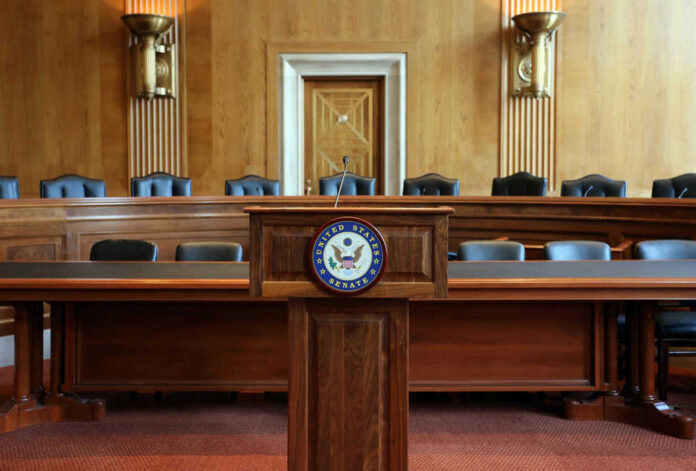
After House passage, Senate consideration became the decisive obstacle. The research indicates Senate Majority Leader John Thune promised a floor vote, while multiple sources emphasize that reaching 60 votes remains unclear. That reality explains why activists and commentators complain about “slow-walking,” even when the House has acted. A Senate floor vote can happen without a guaranteed outcome, and the cloture threshold gives a determined minority power to block major election legislation.
From a conservative perspective, the bottleneck matters because election rules shape every other policy fight—taxes, spending, judges, border enforcement, and the basic accountability of government. When a bill marketed as a top priority cannot clear the Senate, it fuels grassroots skepticism about whether Washington is serious about tightening citizenship-linked systems. The provided materials do not document a single, verified reason for delay beyond the math of Senate votes.
Competing Claims: Election Integrity vs. Voter Access
Public arguments around the bill split into two camps with different definitions of “secure elections.” Republican messaging cited broad support for voter ID policies, while critics argue those polls do not necessarily translate to support for documentary proof of citizenship requirements. Democrats Abroad and advocacy groups describe the bill as voter suppression and warn it would heavily impact Americans overseas. Rep. Brittany Pettersen also criticized the legislation and tied it to wider political rhetoric about election enforcement.
At the same time, the conservative case rests on a simple constitutional instinct: citizenship is a meaningful legal status, and voting is one of its highest privileges. The research does not establish widespread noncitizen voting, but it does document that the bill would tighten verification and expand tools for states to remove noncitizens from voter rolls. Whether that tradeoff is acceptable will likely come down to Senate negotiations and any amendments that reduce burdens.
Implementation Questions States Would Have to Answer
If the bill advanced, states would face immediate design questions: which documents qualify, what “in-person” means across rural areas, how to handle name changes, and how to avoid long lines or errors during registration surges. Brennan Center commentary emphasizes new administrative burdens and legal exposure for officials. Nonprofit VOTE argues existing systems would become unusable, especially where online registration is central to current workflows and compliance monitoring.
DataRepublican PERFECTLY Breaks Down Why Republicans Are Slow-Walking the SAVE Act in MUST-Read Thread https://t.co/ijMszP8sP0
— Darrell (@Damn_Lucky) February 26, 2026
The political reality is that election administration is often local, but the mandates would be national. That is why the legislation is being treated as more than another D.C. messaging bill: it directly touches how Americans interact with their government at the county clerk level. With Senate math uncertain and public messaging heated, the next development to watch is whether leadership schedules a vote that forces senators onto the record—or lets the issue drift again.
Sources:
Urgent: Protect Your Voting Rights — Oppose the SAVE America Act
New SAVE Act Bills Would Still Block Millions of Americans From Voting
Pettersen Statement on SAVE Act Vote
Majority Leader Statement/Release on the SAVE Act
H.R. 22 — SAVE Act (Congress.gov)
What You Need to Know About the SAVE Act
Five Things to Know About the SAVE Act
Copyright 2026, LibertySociety.com