
(LibertySociety.com) – President Trump’s decision to delay strikes on Iranian power plants marks the 24th day of a war he promised to avoid, leaving MAGA supporters questioning whether America’s involvement in another Middle East conflict betrays the “America First” mandate that brought him back to office.
Story Snapshot
- Trump postpones Iranian power plant strikes by five days on March 23, 2026, citing alleged negotiations despite earlier ultimatum demanding Strait of Hormuz reopening
- War began February 28 with Operation Epic Fury killing Supreme Leader Ali Khamenei, escalating to over 2,000 deaths and massive U.S. military buildup rivaling 2003 Iraq invasion
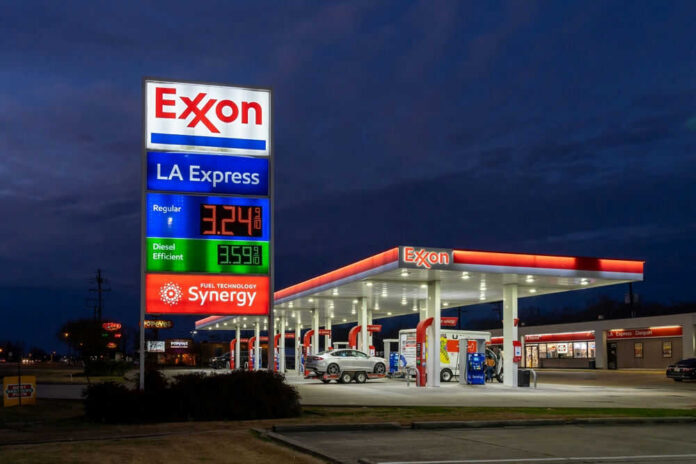
- Strait of Hormuz blockade drives oil prices up 40 percent, hitting American wallets while hundreds of thousands remain displaced across the Middle East
- Conservative base grows frustrated as Trump’s promise to keep America out of new wars collides with reality of another costly regime change operation alongside Israel
Trump’s Five-Day Pause Raises More Questions Than Answers
President Trump announced a five-day delay of planned strikes on Iranian power plants on March 23, 2026, as the Iran War entered its 24th day. The postponement follows Trump’s ultimatum demanding Iran reopen the Strait of Hormuz, which remains blocked despite ongoing U.S. aerial campaigns targeting Iranian vessels and drones. Trump claimed the delay allows for negotiations, though details remain vague. This contradicts his earlier aggressive stance after sparing Kharg Island oil facilities “for decency” while threatening energy infrastructure if Iran failed to comply. For supporters who elected Trump to avoid endless wars, this vacillation between threats and delays feels uncomfortably familiar to previous administrations’ nation-building failures.
War Escalation Contradicts Campaign Promises
The conflict began February 28, 2026, when U.S. and Israeli forces launched Operation Epic Fury, killing Supreme Leader Ali Khamenei based on intelligence from Israeli Prime Minister Benjamin Netanyahu. Trump had accused Iran of nuclear program revival during his February 24 State of the Union address. The military buildup started January 23 with USS Abraham Lincoln deployment, followed by USS Gerald R. Ford on February 13, reaching Iraq 2003-scale forces by February 19. War Secretary Pete Hegseth oversaw what he called the “most intense strikes” on March 11, including 90 attacks on Kharg Island military sites. Over 2,000 people have died, including 170 at a Minab school in what U.S. officials claim was accidental.
Economic Fallout Hits American Families Hard
The Strait of Hormuz blockade has driven oil prices up 40 percent, directly impacting energy costs for Americans already struggling with inflation from years of fiscal mismanagement. Hundreds of thousands remain displaced or stranded across Iran, Lebanon, and Israel due to ongoing strikes. Iranian missile and drone attacks hit regional infrastructure, including Dubai Airport, while Tehran threatened full Strait closure and broader attacks. Iran’s military capacity has diminished significantly, with ballistic missile stocks depleted to roughly 1,000 by week two. The economic disruption extends globally, affecting shipping and energy markets while American taxpayers fund another massive military operation with unclear objectives or exit strategy.
MAGA Base Questions Israel-First Foreign Policy
Trump’s close coordination with Netanyahu has raised concerns among his base about whether American interests truly come first. Netanyahu provided intelligence on Khamenei’s location, leading to the decapitation strike that started the war. Defense Minister Israel Katz justified strikes as “pre-emptive to remove Israel threats,” yet American forces bear the operational burden with three carrier strike groups deployed. Iranian opposition figure Reza Pahlavi urged sparing civilian infrastructure, highlighting the complexity of regime change operations. The Iranian crackdown on January 2026 protests killed 30,000 according to Iran’s Health Ministry, occurring after Trump threatened intervention. Mojtaba Khamenei succeeded his father as Supreme Leader around March 7, with Trump publicly opposing the succession—raising questions about America’s role in selecting foreign leaders.
This war stems from decades of U.S.-Iran tensions, including Iran’s “50-year war on America” through terror attacks that killed nearly 1,000 Americans. The 2025 12-Day War between Israel and Iran, which ended with U.S. strikes on Iranian nuclear facilities at Fordow, Natanz, and Isfahan, set the stage for current hostilities. Yet for Trump supporters who remember his 2016 campaign criticism of endless Middle East wars, watching their president pursue regime change in Tehran alongside the same foreign policy establishment he once opposed represents a bitter betrayal. The question remains whether this five-day pause signals genuine de-escalation or merely delays inevitable escalation in a conflict that threatens to drain American resources and lives for years to come.
Sources:
Iran’s 50-year war on America: A timeline of terror – The Washington Times
War: US & Israel vs Iran – Timeline 2026 – EISMENA
Copyright 2026, LibertySociety.com