(LibertySociety.com) – Strikes reportedly landing just 75 meters from an operating nuclear power plant have triggered an extraordinary warning from the world’s top nuclear watchdog—and the fallout could reach far beyond Iran.
Quick Take
- The IAEA says attacks near Iran’s Bushehr Nuclear Power Plant create a “very real danger” of a radiological accident and “must stop.”
- Satellite analysis cited by the IAEA indicates four strike impacts near the plant since the war began, including one extremely close to the perimeter.
- Bushehr remains undamaged and operational, but the IAEA stresses that surrounding support systems are essential for safe reactor operations.
- The warning comes amid a wider US-Israeli campaign hitting Iranian industrial and energy assets, including the South Pars petrochemical complex.
IAEA Warns the “Near Misses” Are Becoming a Nuclear Safety Problem
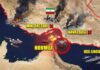
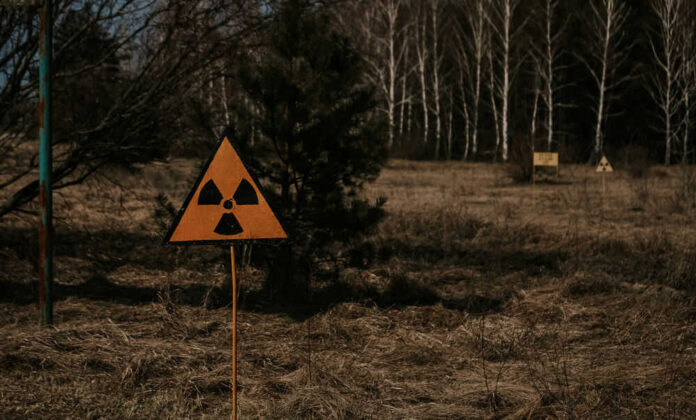
IAEA Director General Rafael Grossi said strikes near Iran’s Bushehr Nuclear Power Plant “pose a very real danger” to nuclear safety and should not continue. The agency reported that satellite imagery shows four strike impacts in the plant’s vicinity since the war began, including one reported about 75 meters from the site’s perimeter. While the reactor itself has not been hit, the IAEA’s message is clear: proximity matters when an operating nuclear facility is involved.
Bushehr is Iran’s only operational nuclear power reactor, and it was built with Russian assistance. Grossi’s statements emphasize a basic rule of war that becomes non-negotiable once nuclear infrastructure is in the area: a nuclear facility and its surrounding areas should never be struck. The IAEA’s concern is not limited to direct damage to the reactor building; support equipment and auxiliary systems can be just as crucial to preventing an incident.
Why “Undamaged” Doesn’t Mean “Safe” When a Reactor Is Operating
The IAEA’s warning reflects how nuclear safety depends on redundant systems and stable external conditions. Strikes near a plant can threaten power supply, cooling support, on-site logistics, and the ability of trained staff to operate and maintain equipment. Even if a warhead doesn’t hit the reactor dome, shockwaves, fires, and disruption around the facility can raise the risk of cascading failures. That’s why the IAEA frames these events as a radiological risk to Iran and potentially beyond.
The agency has also referenced its broader conflict-era safety framework—often described as “pillars” for nuclear safety and security—built around the principle that nuclear sites and their supporting infrastructure should be insulated from military action. For Americans watching from afar, the key point is straightforward: once combat starts flirting with nuclear facilities, the margin for error shrinks to nearly zero, and any miscalculation can force governments into crisis decisions fast.
The Wider War Context: Energy Infrastructure, Hormuz Pressure, and Diplomacy
The Bushehr warning comes as the US-Israeli campaign reportedly targets Iranian industrial and energy sites, including strikes described near the South Pars petrochemical complex in the Asaluyeh area. That matters because the Persian Gulf is not only a battlefield; it’s also the nerve center of global energy flows. Reports of disrupted navigation around the Strait of Hormuz, combined with mounting external deadlines and airspace restrictions in parts of Europe, underline how quickly a regional war can become an economic shock.
European officials have publicly criticized strikes on civilian infrastructure as illegal while also urging Iran to end regional attacks and restore safe navigation. Pakistan has been mentioned in reporting as floating a truce idea, and other governments have pushed talks. Even so, the core dynamic remains: military pressure continues while diplomats argue about off-ramps. In Washington, Republicans control Congress in 2026, but that doesn’t eliminate the broader reality that foreign-policy crises still collide with domestic frustration over inflation, energy costs, and competence.
What This Reveals About Public Trust—and the Limits of “Experts” in Wartime
Grossi’s intervention highlights a credibility gap that many Americans—left and right—have felt for years: institutions often seem reactive, cautious, and slow to stop dangerous behavior in real time. Iran has criticized the IAEA for perceived inaction after earlier incidents, while the IAEA tries to maintain neutrality and focus on technical safety. That tension is not just bureaucratic; it feeds the popular sense that global governance is always one step behind events.
https://twitter.com/
For conservatives who want American strength without endless chaos, the Bushehr episode underscores the value of clear limits and disciplined strategy. A decisive campaign can still create unacceptable systemic risks if nuclear sites are placed in the danger zone, because a radiological accident would punish civilians first and could pull more countries into the conflict. For liberals worried about escalation and civilian harm, the IAEA warning provides a concrete, technical reason to demand restraint rather than relying on slogans. Either way, the public deserves transparent answers about how close is too close.
Sources:
https://www.trtworld.com/article/fc22d345327e
https://www.trtworld.com/article/207d1157d64a
https://www.courthousenews.com/iaea-says-strikes-near-iran-nuclear-power-plant-must-stop/
https://www.anews.com.tr/world/2026/04/06/iaea-strikes-near-iran-nuclear-power-plant-must-stop/amp
https://www.mtv.com.lb/amp/details/1677800
https://www.commondreams.org/news/iran-bushehr-nuclear-power-plant
https://www.trtworld.com/article/dc2dbae5e103
Copyright 2026, LibertySociety.com