
Macy’s postponed its 100th Thanksgiving Day Parade to Saturday because a strong coastal storm threatened spectator and participant safety.
Story Snapshot
- Macy’s moved the parade to Saturday at 8:30 a.m. after safety talks with city partners.
- Forecasts called for heavy rain, strong winds, and coastal flooding on Thanksgiving.
- Balloon safety rules often hinge on wind thresholds set by New York City.
- Reporters differed on whether this was the first-ever weather postponement or one of several.
What Changed: Decision To Postpone For Safety
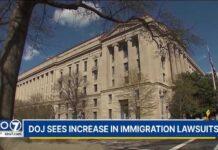
Macy’s announced it would delay the Thanksgiving Day Parade to Saturday morning at 8:30 a.m., citing safety for participants and spectators. The company said it made the call after close consultation with New York City and other agency partners. The Associated Press reported the move and quoted Macy’s safety-first message, while Reuters also documented the schedule change. The shift answered a hazardous window expected on Thursday, not a full cancellation of the 100th anniversary event.
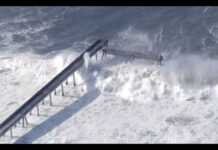
Forecasters warned that a strong coastal storm would track up the East Coast and bring heavy rain, strong winds, and coastal flooding on Thanksgiving. These conditions raise risks for large crowds and tall balloons along Manhattan’s route. A Reuters item summarized the National Weather Service expectations that underpinned the planning call. The parade’s stakeholders acted before the worst of the expected weather to avoid mid-event confusion and safety incidents.
Why Balloons Drive Weather Risk
City rules and long-standing practice restrict flying the giant character balloons when winds cross specific limits. Those thresholds aim to prevent balloon strikes on buildings, trees, or light poles, and to protect handlers and viewers. The Associated Press has explained these wind limits in earlier coverage as a key factor that can change parade operations, including grounding balloons when gusts or sustained winds exceed set caps. This year’s forecast put those limits in play again.
Past weather rarely stopped the parade date itself, but wind has forced changes before. In 1971, organizers kept all balloons grounded. In 1997, winds near the 40 mile-per-hour range caused balloon damage and injuries, which led to tighter city rules in later years. Those episodes explain why planners now treat wind as the top hazard for this event. They also show why postponing can be safer than trying to fly or rapidly changing plans mid-route.
How Media Framed The “First Time” Question
Some outlets called this the first postponement due to weather in the parade’s 100-year history. CBS Miami used that framing when reporting the move to Saturday. Another Reuters-linked report, however, described the parade as postponed for the fourth time in a century. These headlines reflect different historical cutoffs and definitions, and they can confuse readers following a fast-breaking scheduling call.
BREAKING NEWS FR. NEW YORK MACY`S PARADE
MACY`S THANKSGIVING DAY PARADE POSTPONED UNTIL SATURDAY MORNING 8.30 AM NY TIME DUE TO STORM
The 100th annual Macy's Thanksgiving Day Parade will be postponed until Saturday, sources familiar with New York City's security planning tell… pic.twitter.com/qqN3JVeSvP
— www.Jonny Clock1977.us (@JonnyClock1977) November 25, 2026
The underlying facts are clear: Macy’s delayed the live event until the storm passed, and did so after talks with city partners. The move follows years of balloon-safety policy shaped by past wind incidents, and it aligns with common event-risk guidance that treats weather as a prime threat to crowds, revenue, and the show itself. This decision put safety ahead of tradition on a milestone year, with a firm plan to celebrate once conditions improved.
Sources:
wsbtv.com, cbsnews.com, abc27.com, nydailynews.com, today.com, fox5ny.com, freep.com
© libertysociety.com 2026. All rights reserved.