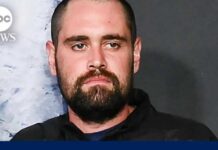
In open court, Luigi Mangione said, “I shot Mr. Thompson in Manhattan and he died,” and then pleaded guilty to federal stalking charges tied to the killing.
Story Snapshot
- Luigi Mangione admitted he shot UnitedHealthcare chief executive Brian Thompson and pleaded guilty to two federal stalking charges.
- A 2024 federal complaint described interstate travel, surveillance, and an intent to kill, supported by photos and seized writings.
- Prosecutors and reports say Mangione researched an investor event and made parts of the gun with a 3D printer.
- The case underscores fears about targeted violence and how rare crimes get magnified in public debate.
What Mangione Admitted In Court
On August 14, 2026, in federal court in New York, Luigi Mangione admitted that he shot Brian Thompson, the chief executive of UnitedHealthcare. He also pleaded guilty to two federal counts of stalking with the intent to kill. His statement was short and direct: “I shot Mr. Thompson in Manhattan and he died.” The plea centers on stalking conduct tied to the fatal shooting, which happened in 2024 near a Manhattan hotel that hosted an investor event.
Prosecutors have said Mangione planned the attack, traveled to New York to carry it out, and surveilled Thompson before the shooting. According to press reports on the plea, Mangione said he used a 3D printer to make part of a firearm and came to New York intending to kill Thompson. Those accounts align with earlier filings that outlined planning steps and travel before the crime. Sentencing will turn on the facts admitted under oath and the federal guidelines.
Evidence Cited By Investigators
A December 2024 complaint filed in the Southern District of New York alleged that Mangione crossed state lines “with the intent to kill” and then “stalked and shot” Thompson. Investigators said they tied Mangione to the shooter through photo comparisons and arrest photographs. The complaint also described surveillance of the victim in the days before the attack. These allegations formed the core of the federal stalking case that now ends in a guilty plea.
Media reports that followed the complaint described writings and notes that prosecutors said showed motive and planning. Reports also described research into the investor conference and steps to pose as an investor to learn event details. After the plea, National Public Radio reported that Mangione said he brought a gun, a silencer, and a magazine to New York and intended to shoot Thompson. These details frame the case as a planned, targeted killing rather than a spontaneous act.
How This Case Fits Larger Public Concerns
The killing of a high-profile chief executive touches nerves across the political spectrum. People who distrust large corporations see a story about a broken health system. People who fear rising lawlessness see a story about targeted violence in public spaces. Both groups worry the system serves insiders first. Research shows that news often lifts rare, shocking crimes above broader trends, which can heighten fear and push extreme reactions in policy and politics.
🚨 BREAKING NEWS
Luigi Mangione pleaded guilty to federal stalking charges in Manhattan federal court, admitting directly to the judge that he shot and killed UnitedHealthcare CEO Brian Thompson outside a midtown hotel in December 2024.
Appearing in a beige prison jumpsuit…
— Satguy 141 (@satguy01) August 14, 2026
That pattern matters here. One court answered a narrow question: what did the defendant do, and what can be proved. The public debate asks a different question: what does this event mean for safety, justice, and trust. Mixing those two tracks can mislead people about risk and the best fixes. Clear lines help. Courts judge facts and law. Voters judge policy and results. Both tasks need steady heads, not fear or spin.
What Comes Next In The Courts
The guilty plea on federal stalking counts sets the baseline for sentencing. Judges weigh the admitted conduct, the law, and any agreements. Parallel state proceedings may still exist, but their path can change after a federal plea. The record that prosecutors built—travel, surveillance, writings, weapon parts—now anchors the outcome. The most important fact is also the simplest: the defendant stood up in court and said he shot Brian Thompson.
Families, workers, and investors now look for closure and for lessons. Companies that host public events will review security. Lawmakers will talk about stalking laws, 3D-printed gun parts, and how to curb targeted attacks. Citizens will ask a hard question that keeps coming up: is anyone in charge putting people first. This case cannot answer that on its own. But it can remind leaders that trust breaks fast and repairs slow when safety and fairness feel out of reach.
Sources:
facebook.com, reuters.com, washingtonpost.com, cnn.com
© libertysociety.com 2026. All rights reserved.