
Two Army aviators died when an AH-64 Apache from Fort Hood crashed into a Texas field and set off a fast-moving wildfire.
Story Snapshot
- Officials confirmed two fatalities after an Apache helicopter crashed near Fort Hood.
- The crash sparked a wildfire and forced road closures in Bell County.
- Authorities said the helicopter went down in a field, not into homes or buildings.
- The cause remains under investigation, with few details released so far.
What Officials Confirmed at the Scene
Bell County authorities said two people on board the Apache were pronounced dead at the scene in the early afternoon. Reporters cited a statement that the AH-64 Apache was based at Fort Hood, one of the Army’s largest posts. Local officials said the aircraft crashed in a field, which reduced the risk to nearby homes. Emergency crews secured the area and began recovery and fire response right away.
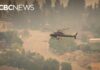
Journalists and local outlets reported that the crash ignited a wildfire near the site. County leaders closed roads as crews worked to contain flames and protect nearby neighborhoods. The fire’s speed and smoke complicated access to the wreckage. That made it harder for outside observers to see much of the scene while responders did their jobs and protected the public.
Where and When the Crash Happened
Reporters placed the crash in Bell County, near the community of Salado, not far from Fort Hood. Coverage said the helicopter went down early Wednesday afternoon, with first calls coming in around 1:35 p.m. local time. Photos showed smoke rising over pastures and brush. Authorities stressed that no homes or other structures were hit. That kept the damage contained to the field and the fire line that grew around it.
Military spokespeople confirmed the aircraft type as an AH-64 Apache attack helicopter assigned to Fort Hood. The Army often uses the area for flight training and local movements. Early statements did not name the unit or the fallen crew members, pending next-of-kin notification. Officials asked the public to avoid the area as they handled recovery, safety checks, and the first steps of the investigation.
What We Do Not Know Yet—and Why It Matters
Officials have not said what caused the crash. Reporters noted that investigators will look at weather, maintenance, flight records, and pilot actions. In past Fort Hood cases, causes have ranged from pilot error to poor visibility to mechanical issues. That is why agencies avoid early guesses and wait for the Army’s formal findings, which can take months to complete and release.
#WATCH Fatalities have been reported in a Salado helicopter crash. Authorities say it is an Army 1st Cav Division Apache from Fort Hood. Here's @VinceErickson24. #fox44tx pic.twitter.com/Df1AUpuAWQ
— KWKT FOX 44 (@KWKTFOX44) August 12, 2026
Families, soldiers, and local residents want clear answers. Many Americans, left and right, feel that institutions hold key facts close for too long. This case will test how fast the Army shares solid details without risking a sloppy or rushed call. Transparent updates on timelines, safety checks, and any warnings to other crews would honor the fallen and help rebuild public trust that often feels broken.
Safety Questions Bigger Than One Crash
Fort Hood has seen helicopter tragedies before, each with different causes. That history reminds us not to assume a simple pattern fits every loss. Today’s focus is on the two lives lost, the fire risk to neighbors, and the need for a careful probe. When the Army releases findings, people will look for whether training, maintenance, or oversight needs change—and whether leaders act fast on those lessons.
Sources:
washingtontimes.com, insidedefense.com, stripes.com
© libertysociety.com 2026. All rights reserved.