
(LibertySociety.com) – A deadly hantavirus outbreak on a cruise ship claims a life and traps hundreds in quarantine, reviving memories of COVID-era government overreach and elite mismanagement that failed everyday Americans.
Story Snapshot
- Three confirmed Andes strain hantavirus cases on a cruise ship, including one death of an 80-year-old woman passenger on May 2, 2026.
- WHO Director-General Tedros Adhanom Ghebreyesus assures low global risk, distinguishing it from COVID-19’s rapid spread, with no emergency committee needed.
- Rare human-to-human transmission possible via close contact, but ship confirmed rodent-free; incubation up to 8 weeks points to pre-cruise exposure.
- No vaccine or specific treatment exists; focus on ICU-level care with 30-50% fatality rate for severe cases.
Outbreak Details and Timeline
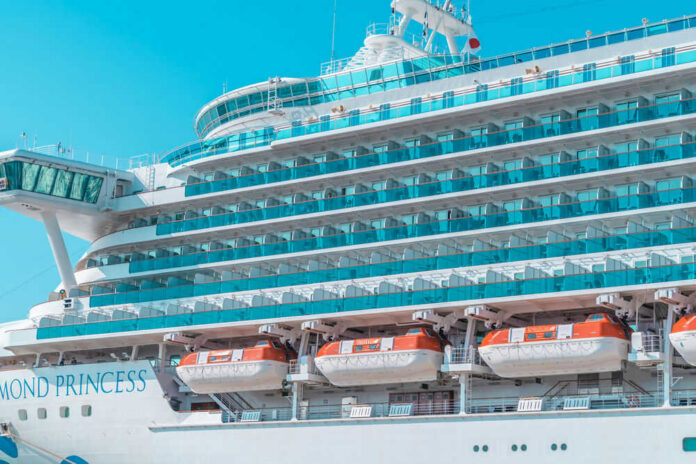
The cruise ship departed on April 1, 2026, with stops in South America where rodent exposure likely occurred. Early May brought initial cases of the Andes strain, confirmed in three passengers. An 80-year-old woman died on May 2 from respiratory and gastrointestinal symptoms. Two others, including the ship’s doctor, fell ill. The ship remains quarantined with no rodents found onboard. Evacuations prioritize the sick amid port hesitancy.
WHO Response and Expert Reassurance
On May 6, 2026, Tedros told AFP in Geneva the outbreak poses low risk to the world, unlike COVID-19’s airborne, asymptomatic escalation from Wuhan. WHO’s Maria Van Kerkhove calls it no epidemic, coordinating without alarm. Experts note Andes virus spreads only through close contact, not aerosols. Ship setting allows containment, contrasting Diamond Princess COVID chaos. No protocols exist for human-transmissible hantavirus.
Hantavirus Background and Transmission Risks
Hantaviruses originate in rodents, causing pulmonary syndrome with up to 50% fatality in Americas cases. Andes strain, from Chile and Argentina, uniquely allows documented human-to-human spread via household contact. Past outbreaks include 1996 Patagonia (18 cases) and 2019 Chile cluster (5 cases). Incubation lasts 4-8 weeks, suggesting pre-boarding infections. Virologist Marion Koopmans flags cruise contacts as ideal for rare spread, but experts deem wider outbreak unlikely.
Clinician Pablo Vial highlights absent exposure guidelines. Treatment relies on supportive ICU care; no antivirals or vaccines available. Ship passengers and crew face anxiety and economic losses from prolonged quarantine, testing WHO’s post-COVID credibility amid public fatigue with global health bureaucracies.
JUST IN – WHO chief tells AFP hantavirus outbreak not like start of Covid pandemic
— Insider Paper (@TheInsiderPaper) May 6, 2026
Implications for Travelers and Global Health
Quarantine delays strain health systems and cruise economics, with refunds and tourism dips in South America. Long-term, the event may spur hantavirus research and protocols. For Americans, it underscores vulnerabilities in international travel and reliance on distant agencies like WHO, echoing frustrations with elite-driven responses that prioritize control over individual freedoms during past crises.
Sources:
Hantavirus outbreak not like start of Covid pandemic, WHO chief tells AFP
WHO chief tells AFP hantavirus outbreak not like start of Covid pandemic
WHO chief tells AFP hantavirus outbreak not start of Covid pandemic
Hantavirus outbreak not like start of Covid pandemic, WHO chief tells AFP
Cruise ship’s hantavirus outbreak puts researchers in uncharted territory
Copyright 2026, LibertySociety.com