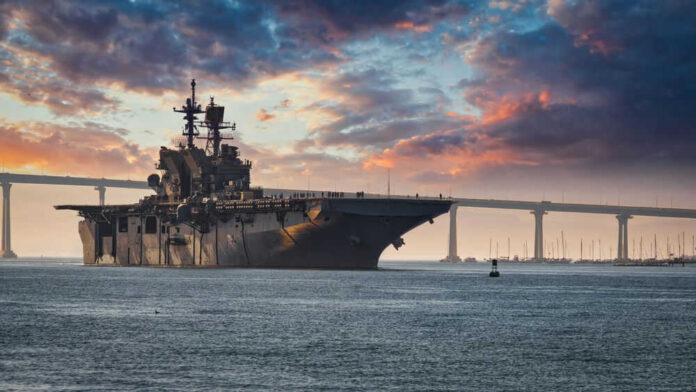
(LibertySociety.com) – America’s $13 billion supercarrier USS Gerald R. Ford sits disabled in the Red Sea with over 600 sailors sleeping on floors and tables after a fire gutted their living quarters during combat operations against Iran—an embarrassing failure that exposes how extended deployments and deferred maintenance are hollowing out our Navy’s readiness while our sons and daughters fight a war many Americans never wanted.
Story Snapshot
- Over 600 sailors displaced from destroyed berthing areas, now sleeping on floors aboard the USS Gerald R. Ford after 30-hour laundry fire in Red Sea combat zone
- Navy’s newest carrier diverted to Crete for repairs, reducing operational capability during Iran war despite official claims ship remains “fully operational”
- Fire originated in overloaded laundry facility on ship already plagued by maintenance issues, with crew responding to plumbing calls daily before the blaze
- Sabotage speculation swirls online as Americans question readiness of fleet stretched thin by Middle East entanglements Trump promised to avoid
Carrier Fire Exposes Navy’s Maintenance Crisis During Combat Operations
The USS Gerald R. Ford suffered a devastating fire on March 12, 2026, while conducting operations in the northern Red Sea near Saudi Arabia as part of the U.S. campaign against Iran. The blaze erupted in the aft main laundry facility, spreading through ventilation systems for over 30 hours before damage control teams fully extinguished it. Three sailors sustained non-life-threatening injuries, with one evacuated for treatment. The fire destroyed berthing spaces housing more than 600 crew members—roughly 13 percent of the ship’s 4,500 sailors—forcing them to sleep on floors, tables, and makeshift arrangements while the carrier continues operations.
Extended Deployment Strains Navy’s Most Advanced Warship
The Ford deployed on June 24, 2025, and has been operating at high tempo supporting over 8,000 combat sorties since February 28, 2026. The laundry fire stemmed from industrial washers and dryers serving thousands of sailors under continuous wartime operations, according to maritime expert Sal Mercogliano. The ship already suffered from chronic maintenance problems before the fire, with crew responding to plumbing and sewage failures at least once daily. This pattern mirrors the USS New Orleans laundry fire in August 2025 near Okinawa, which also burned for 30 hours and displaced sailors from berthing spaces, suggesting systemic fleet-wide maintenance challenges under extended deployments.
Operational Capability Questioned Despite Official Assurances
U.S. Central Command and Navy officials insisted the Ford remains “fully operational” with no damage to nuclear propulsion systems or electromagnetic aircraft launch systems. However, the ship was diverted to Naval Support Activity Souda Bay in Crete for repairs and electrical support from Naval Sea Systems Command technicians. The laundry facility remains inoperable, and destroyed berthing areas require complete overhaul before sailors can return to normal living conditions. The Navy Exchange supplied emergency boots and blankets to affected crew members. This diversion reduces the carrier’s operational tempo in the Red Sea precisely when sustained presence matters most for the Iran campaign, undermining claims that the incident poses no operational impact.
Sabotage Claims Highlight Deeper Concerns About War Justification
Social media speculation suggesting sabotage has gained traction among Americans frustrated with another Middle East conflict. Navy statements confirmed the fire originated from non-combat causes, with investigations pointing toward laundry equipment overload, flammable materials, and potential human error rather than hostile action. Defense analysts note that maintaining flight operations while berthing burns demonstrates crew competence, not enemy infiltration. Yet the sabotage narrative reflects broader skepticism among Trump’s base about this war’s necessity and whether our military infrastructure can sustain prolonged operations. The Ford represents America’s most technologically advanced carrier, commissioned in 2017 with cutting-edge systems, yet it limps toward port due to a laundry fire—hardly the image of naval dominance that justifies spending treasure and risking lives in conflicts that don’t directly defend American soil or constitutional liberties.
Sailor Welfare Takes Backseat to Mission Demands
The 600-plus sailors now sleeping on floors face compounded hardships beyond lost bunks—smoke and water damage destroyed personal belongings, and overcrowded temporary spaces strain morale during an already grueling deployment. Navy families stateside worry about loved ones’ welfare as the service prioritizes keeping the Ford operational over crew comfort. This habitability crisis raises serious questions about recruitment and retention when the Navy asks young Americans to sacrifice basic living standards aboard billion-dollar ships plagued by preventable failures. Maritime analysts warn that extended deployments without proper maintenance windows create cascading problems, from equipment breakdowns to exhausted crews making critical errors. The Ford’s situation exemplifies what happens when political leaders commit forces to open-ended conflicts without ensuring the logistics and support infrastructure can sustain operations without breaking sailors’ backs—or forcing them to sleep on steel decks in a war zone many never supported in the first place.
Sources:
A Fire Broke Out Aboard U.S. Navy Nuclear USS Gerald R. Ford Aircraft Carrier
Fire Aboard Ford in Red Sea Displaces Sailors
Statement of USS Gerald R. Ford
Sailors Aboard USS Gerald R. Ford Reportedly Lost Their Beds Amid Fire
Carrier USS Gerald R. Ford Suffers Fire
Copyright 2026, LibertySociety.com