
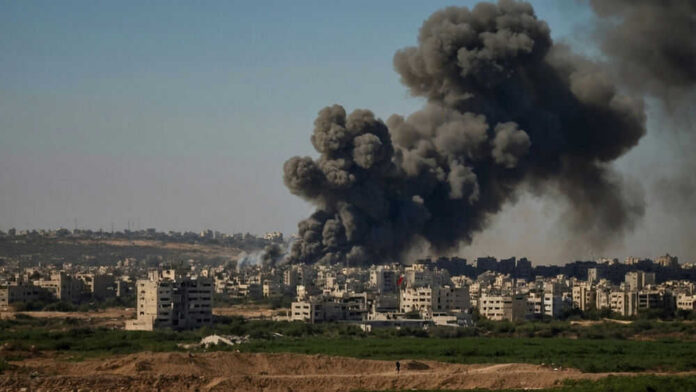
(LibertySociety.com) – A “precision strike” narrative is collapsing after new reporting suggests a U.S. targeting mistake helped turn an Iranian girls’ school into rubble.
Quick Take
- Investigations and open-source analysis reviewed by major outlets point to a likely U.S. strike—linked to Tomahawk-class munitions—hitting the Shajareh Tayyebeh girls’ elementary school in Minab, Iran.
- The strike occurred around 10:00 a.m. on Feb. 28, 2026—the first day of the 2026 Iran war—during a high-traffic school drop-off window on a Saturday workday in Iran.
- Fatalities were reported in the 168–180 range, with most victims described as schoolchildren ages 7–12; dozens reportedly died instantly when the roof collapsed.
- U.S. officials were reported to be conducting an internal probe, with sources leaning toward U.S. responsibility, while Iran blamed the U.S. and Israel.
- U.N. experts publicly condemned the strike and called for an independent investigation, intensifying scrutiny over target verification and civilian protection.
What Happened in Minab—and Why Timing Mattered
The Shajareh Tayyebeh girls’ elementary school in Minab, in Iran’s southern Hormozgan province, was destroyed on Feb. 28, 2026 as airstrikes began across Iran during the opening day of the 2026 Iran war. Reports describe three missile impacts and a roof collapse that killed large numbers of children on site. Because the strike hit around 10:00 a.m.—a school drop-off period on a Saturday workday—hundreds of students were reportedly present.
Iranian and independent reporting cited varying figures for how many students were at the school when it was struck, ranging from roughly 170 to more than 260. Search operations reportedly ended the next day with fatalities publicly placed between 168 and 180 and injuries around 95. While casualty counts varied by outlet and official statement, the core facts in multiple investigations were consistent: the dead were largely children, and this became the war’s deadliest reported civilian-casualty strike early in the conflict.
Why Investigators Focused on the United States
Multiple investigations referenced in summaries of the incident describe the strike as likely originating from U.S. operations in southern Iran during coordinated U.S.-Israeli attacks on IRGC-linked sites. Reporting indicated the school stood near the Sayyid al-Shuhada military complex and other IRGC-connected facilities that were hit around the same time. That proximity matters because it frames the central claim: a strike intended for military infrastructure may have been misapplied to a civilian structure due to faulty intelligence or target designation.
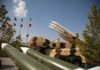
Munitions analysis cited in reporting pointed to U.S. weaponry, including Tomahawk-type missiles, and open-source video review was described as contradicting claims that Iran itself caused the strike. A key limitation remains that the U.S. probe was described as ongoing, with no final public conclusion in the reporting window referenced. Still, the convergence of satellite context, munition identification, and synchronized strikes in the same area is why major outlets assessed U.S. responsibility as likely rather than speculative.
Competing Claims—and What the Evidence Can and Can’t Prove
Public messaging around the strike quickly turned into a narrative contest. Iranian officials and state-linked outlets blamed the U.S. and Israel, while early denials and alternative explanations circulated in parallel, including a claim that Iran may have been responsible. Investigations referenced in the research indicated that video and technical review undermined the “Iran did it” framing, but they did not establish intent to strike civilians. The available material supports a “targeting mistake” theory more strongly than a deliberate-attack allegation.
Why This Matters for Americans Watching U.S. Power Abroad
For Americans who care about constitutional government and accountability, the biggest issue is not partisan chest-thumping but whether wartime decision-making follows verifiable rules, clear chains of command, and disciplined intelligence standards. When a civilian site is hit near a military complex, the legitimacy of U.S. force hinges on target verification and proportionality, not press statements. The reporting also underscores how quickly information warfare fills gaps when governments delay transparency and when investigations remain internal.
The United States is responsible for a Tomahawk missile strike on an Iranian elementary school because of a targeting mistake.https://t.co/0eV6NPyYRA
— Dawn.com (@dawn_com) March 11, 2026
U.N. experts publicly condemned the deadly strike and called for an independent investigation, increasing diplomatic and legal pressure as the war continued. That demand signals that international scrutiny will not be satisfied by “trust us” conclusions, especially with child casualties at this scale. With the U.S. described as still investigating, the unresolved question is whether Washington will release enough detail to credibly explain how the target was selected, what intelligence underpinned it, and what safeguards failed in execution.
Sources:
Copyright 2026, LibertySociety.com