

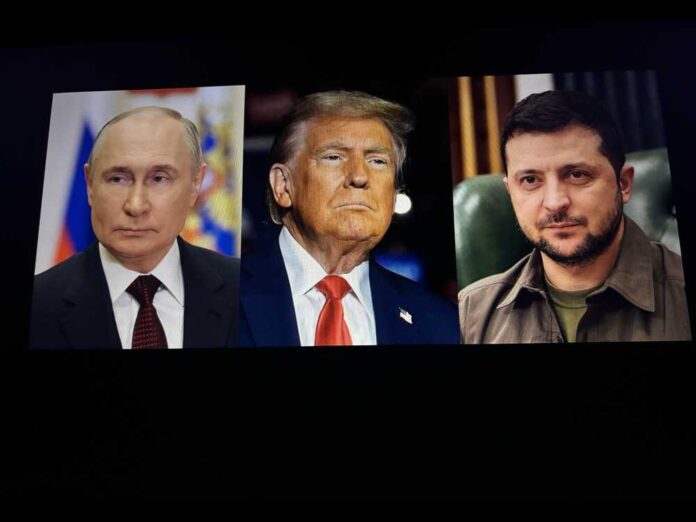
(LibertySociety.com) – Trump’s 28-point Ukraine peace plan puts American interests first, but critics warn it could reward Russian aggression while sidelining both Congress and European allies.
Story Snapshot
- The Trump administration has presented Ukraine with a sweeping peace plan requiring major territorial concessions and a halt to NATO ambitions.
- The plan was developed with input from Moscow, raising concerns about American alignment and Ukrainian sovereignty.
- European allies and critics fear the proposal undermines Western unity and rewards Russian aggression.
- Ukraine faces mounting pressure to respond as U.S. officials warn delays could lead to further territorial losses.
Trump’s Peace Plan Demands Major Ukrainian Concessions
The Trump administration delivered its 28-point peace plan to Ukraine in mid-November 2025, proposing a sweeping end to the Ukraine-Russia war. The plan, developed with direct input from both Washington and Moscow, calls for Ukraine to accept significant territorial losses, impose strict military limitations, and permanently halt any efforts to join NATO. In exchange, the U.S. offers security guarantees and economic incentives for both Ukraine and Russia. These terms have triggered alarm in Kyiv and widespread criticism from European governments, who argue the plan makes dangerous concessions to the Kremlin.
The core of the proposal centers on U.S. diplomatic leverage. Under President Trump, the administration has prioritized an immediate end to hostilities, signaling that continued U.S. support may wane if Ukraine fails to accept the deal. By offering security guarantees and economic aid, the U.S. hopes to push both Kyiv and Moscow toward agreement. However, the plan’s requirement that Ukraine surrender territory and halt any NATO integration has drawn sharp rebukes from Western allies. European leaders warn such concessions undermine international law, embolden Russian aggression, and fracture Western unity.
Western Unity Frays as U.S. Pressures Ukraine
The Trump administration’s approach reflects deepening divisions within the West over the cost and duration of support for Ukraine. After years of military stalemate and mounting war fatigue, some American officials argue that a pragmatic peace is necessary to prevent further escalation and relieve U.S. taxpayers. Yet, European governments, largely sidelined from negotiations, fear the plan sets a dangerous precedent. By accommodating Russian demands and pressuring Ukraine to accept defeat on key issues, the U.S. risks alienating NATO partners and weakening the transatlantic alliance. Critics highlight that the proposal could redraw European borders by force, eroding norms of sovereignty and non-aggression that have underpinned Western security for decades.
Ukraine’s leadership faces an impossible dilemma. President Zelenskyy has not rejected the plan outright, but he has expressed deep reservations over demands for territorial concessions and permanent neutrality. Ukrainian officials worry acceptance could delegitimize their government and trigger domestic unrest. At the same time, a refusal to engage risks losing critical American military and economic support, leaving Ukraine further exposed to Russian advances. The Trump administration has set a tight deadline, warning that delay could result in additional territorial losses for Ukraine. This high-pressure diplomacy underscores the U.S.’s dominant role in shaping the outcome, while marginalizing both Ukrainian sovereignty and European input.
Long-Term Risks: Precedent for Aggression and U.S. Overreach
Experts warn that the Trump plan’s terms could have profound long-term consequences. Granting Russia formal recognition of occupied Ukrainian territories and halting NATO expansion would not only legitimize military aggression, but also weaken the post-WWII security order. Critics argue this emboldens future authoritarian threats and signals that U.S. foreign policy is now driven by expedience over principle. Furthermore, the plan’s development with direct Kremlin input and Congress largely sidelined raises constitutional concerns. Conservative critics caution that executive overreach, unchecked by legislative or allied consultation, risks undermining American credibility and the core values of constitutional governance.
From a conservative perspective, the peace plan’s focus on ending a costly war and reducing U.S. aid aligns with calls for fiscal responsibility and putting American interests first. However, the risk of rewarding foreign aggression, disregarding Congress, and weakening traditional alliances should give every Constitution-minded American pause. Upholding U.S. sovereignty and global leadership means ensuring peace plans do not come at the expense of our values or the stability of the free world.
Copyright 2025, LibertySociety.com .