
(LibertySociety.com) – American wallets and global power balances now hang by a thread, as Trump’s final ultimatum to Putin puts oil, inflation, and peace on the line in a showdown where every country’s next move may hit you at the gas pump.
Story Snapshot
- Trump issues a 50-day ultimatum to Putin: ceasefire in Ukraine or face sweeping economic sanctions and tariffs
- Tariffs target not only Russia but also nations like India and China that continue purchasing Russian oil
- Experts warn Americans could see surging gas prices and inflation if sanctions disrupt global oil flows
- The diplomatic landscape shifts as Trump sidelines Ukraine and confronts Putin directly, risking new global tensions
Trump Draws a Red Line: Ultimatum and Tariff Threats
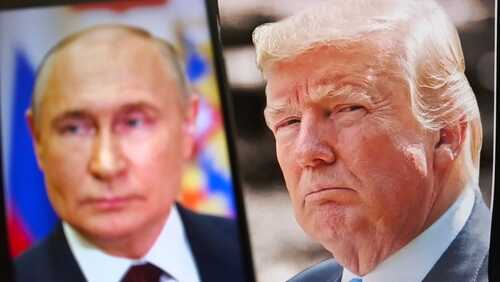
Donald Trump’s administration has thrown down a gauntlet to Vladimir Putin, setting a firm 50-day deadline for a Ukraine ceasefire that expired on August 8, 2025. The president’s ultimatum, backed by an executive order, threatens not only to cripple Russia’s oil exports but also to punish any nation, India, China, or otherwise, that continues to buy Russian oil. India was first in Trump’s crosshairs, hit with a new 25% tariff on August 7, stacking atop existing duties for a total of 50%. The message: stop funding Putin’s war machine, or pay dearly in lost access to America’s market.
Trump’s approach marks a stark escalation over previous sanctions regimes, which critics say Russia easily sidestepped by rerouting oil to Asian markets. Now, the threat of secondary tariffs, potentially up to 100%, hangs over any country that ignores Washington’s new red line. The White House has signaled willingness to squeeze global trade to achieve its aims, with the president declaring, “They don’t care how many people in Ukraine are being killed by the Russian War Machine.” The White House is also preparing for a direct, high-stakes meeting with Putin in Alaska, pointedly excluding Ukraine’s President Zelenskyy from the talks.
All Eyes on Oil: Economic Shockwaves and Political Fallout
Markets are already bracing for the fallout. Oil prices, notoriously sensitive to supply shocks, have spiked in anticipation of new sanctions, and American consumers face the prospect of higher gas prices at a moment when inflation remains a political powder keg. Experts warn that Trump’s “all-in” tariff strategy could boomerang, driving up costs for everyday goods from India and China as well as fuel, while further disrupting global supply chains already battered by years of pandemic and war.
Foreign policy analysts are split. John Sitilides of the Foreign Policy Research Institute argues Putin remains unlikely to cave unless his political goals are met, with Russia determined to lock Ukraine out of the Black Sea and cement gains on the ground. Justin Logan at CATO calls oil sanctions “inherently leaky,” casting doubt on whether even this unprecedented pressure can truly choke off Russia’s war funding. Critics also highlight the risk of alienating key allies and trading partners, warning that the U.S. may end up hurting its own economy while failing to stop Russian aggression.
Diplomacy by Force: Sidestepping Allies, Raising the Stakes
Trump’s willingness to sideline traditional diplomacy is causing fresh alarm in European capitals. By prioritizing direct engagement with Putin and sidelining Zelenskyy, the U.S. is sending a signal: the path to peace now runs through bilateral brinkmanship, not multilateral consensus. European leaders, wary of a new round of economic instability, have expressed concern about being left out of negotiations, while Russia’s Medvedev has denounced the ultimatum as a “step towards war.” Russian media, for their part, have dismissed Trump’s threats as a “dismal failure,” while the Kremlin reportedly remains unmoved.
The world is left watching a diplomatic high wire act: Trump’s envoy remains in Moscow as the White House prepares to implement new sanctions. The threat of 100% tariffs on Russian oil buyers looms, and a direct meeting between Trump and Putin offers a fleeting opportunity for a breakthrough, or a spiral into deeper confrontation. Meanwhile, Ukraine, still fighting for its survival, finds itself on the outside looking in.
Implications for Americans: What’s at Stake for Main Street and Mainstream Politics
For American households, the most immediate risk is at the pump and in the checkout aisle. Reduced oil flows from Russia could drive up gas prices just as summer travel peaks, while tariffs on Asian imports may mean higher prices on everything from electronics to apparel. Inflationary pain, long a driver of political discontent, could return with a vengeance, testing voters’ patience and reshaping the 2026 midterms. Yet some see Trump’s gamble as a necessary show of strength, betting that American leverage can finally force Moscow to the table and end a war that has dragged on for years.
The future now hinges on whether Putin blinks in the face of economic siege, whether India and China decide U.S. market access is worth more than cheap Russian oil, and whether Americans are willing to pay the price for global leadership. Experts continue to debate the likely outcomes, but one thing is certain: in this new era of economic warfare, no one, not even the world’s biggest superpowers, can escape the consequences of a showdown at the crossroads of oil, war, and American resolve.
Copyright 2025, LibertySociety.com .