
(LibertySociety.com) – The most dangerous standoffs of the nuclear age rarely begin with a missile launch, they start with a single message, sometimes fired off from a smartphone, that makes world leaders reach for the red phone and military playbook.
Story Snapshot
- Trump ordered US nuclear submarines toward Russia after Medvedev’s nuclear threats on Telegram.
- Medvedev, once a moderate, now serves as Russia’s nuclear provocateur, referencing the “Dead Hand” system.
- US-Russia tensions over Ukraine and Iran provided the volatile backdrop for this escalation.
- The episode exposes new risks as nuclear brinkmanship plays out on social media and in real time.
Escalation Begins with a Telegram Post
On July 31, 2025, Dmitry Medvedev, the ex-president of Russia and now Deputy Chair of Russia’s Security Council, chose Telegram, not a Kremlin podium, to warn the United States of nuclear consequences. Medvedev invoked the “Dead Hand” system, Russia’s apocalyptic last-resort nuclear launch mechanism, and assured followers that Russia was “doing everything right.” The message, sharp and public, immediately ricocheted through intelligence circles and the White House, raising the alarm about intent and capability in a way that old-school behind-the-scenes threats rarely could.
President Donald Trump, in his second term and known for meeting provocation with spectacle, responded on the same day. He publicly warned Medvedev to “watch his words,” branding the Russian’s statements as “very dangerous territory.” For many, this signaled the opening act in a new round of nuclear brinkmanship, not just between states but between personalities bent on projecting resolve. The use of public platforms for such grave threats marked a shift from backchannel diplomacy to openly performative deterrence.
From Rhetoric to Orders: Submarines on the Move
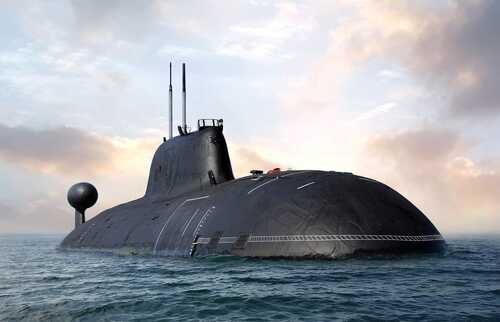
By August 1, Trump had moved from rhetoric to action, ordering two US nuclear submarines to “appropriate regions” near Russian waters. The decision, announced with characteristic bluntness, was explicitly tied to Medvedev’s threats, making the linkage between public posturing and military deployment clear. US Secretary of State Marco Rubio echoed the administration’s line, warning that even when Medvedev speaks as a provocateur, his words “are going to have impact.” The Pentagon’s orders sent a message to both American allies and adversaries: disregard nuclear taunts at your peril.
Trump’s move drew immediate analysis from international media and defense experts. While the submarines’ locations remained classified, their presence near Russia was unmistakable. The move ratcheted up alert levels on both sides and left diplomats scrambling to prevent miscalculation. The explicit reference to the “Dead Hand” system in public discourse underscored how the vocabulary of nuclear war is no longer confined to classified briefings or strategic studies journals, it is now part of the global information stream.
Inside the Power Dynamics: Who’s Really in Charge?
Medvedev’s transformation from a perceived moderate to Russia’s nuclear firebrand has deep roots. Following Russia’s 2022 invasion of Ukraine and the onslaught of Western sanctions, Medvedev adopted a sharply hawkish tone. Analysts suggest he operates as a proxy for President Vladimir Putin, helping Moscow maintain strategic ambiguity. While Medvedev lacks direct military command, his words are seen as calibrated signals, both for domestic audiences and the West. Trump, meanwhile, holds direct authority and has shown a willingness to act decisively, especially in the face of perceived threats to US interests or prestige.
The US response also highlights the influence of secondary actors in crisis escalation. While Putin retains ultimate control over Russian nuclear policy, Medvedev’s social media forays carry real risk. The distinction between bluster and intent often blurs in the digital age; what matters most is perception, not just capability. This dynamic raises the stakes for misinterpretation, especially when both sides are acutely aware that public words can force private hands.
The Fallout: Short- and Long-Term Risks
As of August 2, the crisis had not spilled over into direct confrontation, but the risks were clear. In the short term, military alert levels rose, and diplomatic channels were stretched thin. The normalization of nuclear threats in public discourse, amplified by social media, creates new dangers, as even non-decision-makers can escalate tensions with a few keystrokes. The episode’s longer-term impact may be to further erode the already fragile trust between the US and Russia, and to normalize a cycle of nuclear signaling that is harder to de-escalate than to provoke.
Analysts from the Institute for the Study of War, The Moscow Times, and Russia Matters agree on the sequence of events but debate the seriousness of Medvedev’s role. Some Western commentators see his rhetoric as aimed mainly at Russian domestic audiences, while Russian analysts downplay the US response as an overreaction. The one clear consensus: in a world where anyone with a smartphone can set the diplomatic agenda, the margin for error in nuclear standoffs keeps shrinking. The world is watching, and now, the world is also reading and reacting in real time.
Copyright 2025, LibertySociety.com .