
(LibertySociety.com) – Could Trump’s move to label Antifa a ‘major’ terrorist organization finally redefine how the world perceives this elusive group?
Story Overview
- Antifa’s decentralized structure poses challenges for classification and enforcement.
- Antifa’s history is rooted in militant anti-fascist activism, dating back to 1932.
- Trump’s designation could intensify political debates over extremism and free speech.
- State surveillance of Antifa has increased amid allegations of violence.
The Historical Roots of Antifa
Antifa, short for Anti-Fascist Action, was established in 1932 by the Communist Party of Germany as a militant response to the rise of fascism. Post-World War II, the movement re-emerged, driven by veterans of the Social Democratic Party and Communist Party, aiming to counteract nascent Nazi activities. By the 1970s, Antifa evolved through the influences of West German left-wing student movements and autonomist ideologies, growing into a decentralized entity committed to anti-fascism and anti-capitalism.
Throughout its history, Antifa has maintained an enigmatic structure, with no central leadership. This decentralized model complicates efforts to categorize the group as a traditional terrorist organization. Its methods, often involving direct action and confrontations with perceived fascists, have led to significant controversy and scrutiny, particularly from state authorities tasked with maintaining public order.
Antifa in the Modern Era
In recent years, Antifa has been at the forefront of political clashes in Germany, notably against right-wing parties like the Alternative für Deutschland (AfD). Allegations have surfaced about calls for violence against political opponents, further fueling debate over the movement’s intentions and methods. While supporters argue that Antifa acts as a bulwark against fascism, critics contend that its tactics undermine democratic norms and public safety.
The German government, through its Federal Office for the Protection of the Constitution, monitors Antifa as part of the extreme left. This scrutiny has intensified with recent militant actions, leading to increased surveillance and legal actions against suspected members. Yet, the decentralized nature of Antifa complicates these enforcement efforts, as there is no formal hierarchy or official membership list.
The Trump Administration’s Stance
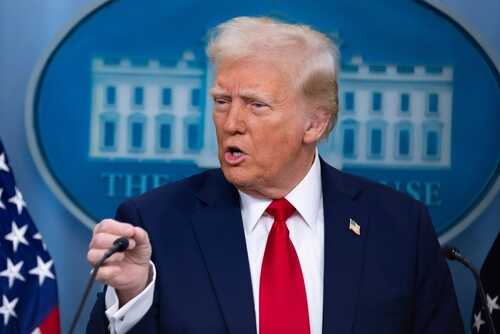
Former President Donald Trump announced plans to designate Antifa as a “major” terrorist organization, a move that has sparked considerable debate. Proponents of the designation argue it is necessary to curb political violence and protect public safety. Critics, however, warn that such a classification may infringe on civil liberties and stifle legitimate anti-fascist activism. The implications of this designation could lead to heightened political polarization and increased security measures at political events.
Despite the controversy, Trump’s push to label Antifa as a terrorist organization highlights the broader challenges of addressing extremist groups within democratic societies. The debate underscores the tension between maintaining public order and respecting freedom of expression, a balance that continues to challenge policymakers and law enforcement agencies alike.
Implications and Future Outlook
The potential designation of Antifa as a terrorist organization carries significant implications for political and social dynamics in Germany and beyond. In the short term, it may lead to heightened security measures and increased political polarization. In the long term, the move could influence legislative changes targeting extremist groups and alter public perceptions of left-wing activism.
Trump designates Antifa as a 'MAJOR' terrorist organization — and can likely make the label stick this time https://t.co/QoBuaRIhi2
— David Rudow (@david_rudow) September 18, 2025
For communities affected by Antifa’s actions, the ongoing debates and potential legal changes could shape future interactions between political factions and state authorities. The situation remains fluid, with developments likely to continue influencing political discourse and public policy. As the world watches, the question remains: will this designation redefine how societies confront ideological extremism?
Copyright 2025, LibertySociety.com .