
(LibertySociety.com) – One of the world’s largest philanthropic networks now faces the threat of a federal terrorism investigation, raising the question: How close can politics and justice collide before philanthropy itself is redefined?
Story Snapshot
- DOJ under Trump directs prosecutors to investigate George Soros’ Open Society Foundations for alleged ties to violent or extremist groups.
- Potential charges include arson, wire fraud, racketeering, and providing material support for terrorism.
- The probe stems from a conservative think tank’s report and follows the death of activist Charlie Kirk.
- Critics argue the investigation is politically motivated and could chill nonprofit activism nationwide.
Federal Power Targets Philanthropy: The DOJ Directive
September 2025 marked a seismic shift in the intersection of politics, philanthropy, and law enforcement. Federal prosecutors in at least six major U.S. cities received a directive from the Department of Justice: investigate groups linked to George Soros’ Open Society Foundations for possible material support to organizations accused of violent or extremist activity. The probe, initiated by Deputy Attorney General Todd Blanche’s office, places iconic protest groups, like the Ruckus Society, Sunrise Movement, Movement for Black Lives, and international NGO Al-Haq, under unprecedented scrutiny. The investigation aims for potential charges ranging from arson to terrorism support, leveraging the powerful RICO statute as suggested by President Trump.
These actions come on the heels of heightened political tensions and the death of conservative activist Charlie Kirk, which galvanized the White House to threaten criminal action against certain nonprofits. In a climate already polarized by contentious debates about civil rights and public protest, the DOJ’s move signals a new frontier: government prosecutors now weigh whether charitable dollars can be construed as fuel for extremism. Attorney General Pam Bondi’s statement, “everything’s on the table”, echoes the seriousness of the probe, while critics warn it may set a dangerous precedent.
The Soros Network: Money, Allegations, and Political Motives
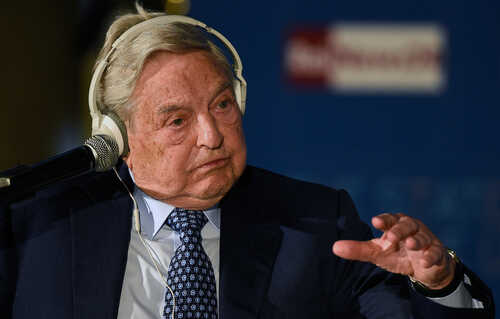
The Open Society Foundations, built by billionaire George Soros, have long been a lightning rod for American conservatives. OSF channels billions into progressive causes, supporting democracy, human rights, and social justice worldwide. Yet, in conservative circles, Soros is depicted as a shadowy financier of radical activism. The latest allegations stem from a Capital Research Center report, claiming Soros’ network gave $80 million to groups accused of violent conduct. These claims triggered the DOJ directive, drawing the philanthropic sector into a legal battle with political undertones.
Soros’ defenders point out that OSF’s mission is explicitly peaceful and lawful, with grantees committed to nonviolence. The foundation’s official response condemned terrorism and rejected all allegations of unlawful activity. Critics, including the ACLU, argue the probe is a thinly veiled attempt to silence dissent and delegitimize left-leaning activism. Legal experts highlight the challenge: proving material support for terrorism requires clear intent and direct connection, a hurdle rarely cleared by philanthropic organizations whose funding is broadly distributed.
Political Tensions, Civil Liberties, and the Ripple Effect
The investigation’s timing, following public threats of criminal action and the death of a prominent activist, underscores its political resonance. President Trump publicly frames the matter as a RICO case, warning that groups “funding these things” will face consequences. The DOJ’s pursuit of Soros-linked organizations is not the first time conservative lawmakers have targeted the philanthropic giant, but it is the first time on such a scale that terrorism-related charges are being considered. The Capital Research Center and like-minded commentators hail the probe as overdue, while mainstream media and civil liberties groups remain skeptical due to the lack of public evidence linking OSF to illegal activity.
For the nonprofit sector, the stakes are high. The mere possibility of federal prosecution for a grantee’s activities could discourage foundations from funding advocacy or protest movements, chilling civic engagement and charitable giving. Communities served by OSF grantees, often marginalized groups seeking justice, may lose vital support. The investigation threatens to politicize philanthropy, transforming charitable dollars into potential liabilities and shifting the balance of power between government and civil society.
Expert Analysis: Law, Advocacy, and the Future of Civil Society
Legal scholars and civil liberties organizations warn that the DOJ’s actions may have lasting consequences. The ACLU’s condemnation frames the probe as a direct attack on First Amendment freedoms and the right to protest. Attorneys note that the RICO statute, historically used against organized crime, is rarely applied to nonprofit advocacy; its use here could set a precedent for targeting political opponents through prosecutorial discretion. Scholars of philanthropy caution that conflating support for activism with support for terrorism risks undermining charitable efforts everywhere, especially in politically charged times.
The future remains uncertain. As U.S. attorneys gather information and review possible charges, the philanthropic world watches closely. No formal indictments have been announced. The investigation is in its preparatory phase, but the open questions, and the fear they generate, are already reshaping the landscape. Will justice serve the public interest, or will politics redefine how civil society operates? For every organization considering its next grant, the answer may determine not just their strategy, but their survival.
Copyright 2025, LibertySociety.com .