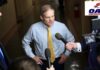

Senator Chuck Schumer vowed to ban stock trading by Congress and White House officials, but the plan lacks bill text and is already under fire for past inaction.
Story Snapshot
- Schumer publicly promised a trading ban covering Congress and White House officials.
- He argued a true ban must go beyond notice-and-disclosure rules.
- Republicans pushed a narrower bill that blocked new stock buys but allowed sales and private shares.
- Trump allies say Schumer let a 2024 reform effort die without a floor vote.
What Schumer Promised, and Who Would Be Covered
On November 12, 2026, Senator Chuck Schumer said Democrats would ban stock trading by all members of Congress and White House officials. His post answered attacks from President Trump and framed the move as a clean break with past loopholes. Reports repeat the pledge’s scope but do not include bill text, a bill number, or clear enforcement details. That gap leaves key questions about covered assets, penalties, and whether family accounts would be included.
Schumer’s September remarks in the Congressional Record set his benchmark for a “real ban.” He criticized proposals that let members keep trading through notice rules. He said members should not buy stocks after entering Congress and pushed back on plans that allow ownership, sales, or even some purchases under defined conditions. He also called out approaches that excluded the president, which he labeled a major hole in any ethics fix.
The Competing Model: Restrictions That Stop Short of a Full Ban
Republican sponsors advanced a Stop Insider Trading Act that would have barred new purchases of publicly traded stocks by lawmakers, spouses, and dependent children. The plan required advance notice of sales, allowed lawmakers to keep current holdings, and let them buy private-company shares. That structure limited some trades but did not ban all individual-stock transactions, especially divestitures and private stakes.
Schumer’s September floor comments drew a sharp line between a disclosure-and-notice system and a trading ban. The Congressional Record describes frameworks where members could sell after seven to fourteen days’ notice. Schumer argued that such rules still allow trading and do not remove the conflict risk that angers voters across the spectrum. His view treats “no new buys” as necessary but not sufficient to rebuild public trust.
Why the Pledge Resonates With Public Anger
For years, Congress has promised ethics reform while leaving many loopholes. The Stop Trading on Congressional Knowledge Act focused on insider trading rules and faster disclosures, not broad ownership or trading bans. Allegations of late filings and weak discipline fed a belief that lawmakers play by different rules. That belief spans conservatives who oppose “deep state” privilege and liberals who worry about corporate influence and growing inequality.
Schumer’s plan taps that frustration. Many see personal trading by policymakers as a built-in conflict, no matter the party. Voters in both camps want a policy that removes the temptation to profit from inside knowledge. A true ban could help repair a trust gap that has grown through fights over spending, inflation, energy policy, and border enforcement. Still, without text, it is not clear if this promise would meet that bar in practice.
The Credibility Fight and What Happens Next
The Trump War Room used Schumer’s record to question his new pledge. It claimed a bipartisan stock-trading measure advanced in 2024, but Schumer never brought it to a floor vote. That charge aims to measure promise against performance, not just rhetoric. The sourced allegation appears in a partisan outlet and is not independently verified in the provided materials, but it has gained traction online and shapes the political fight.
Remember 2024 when Schumer killed the bipartisan Stock Trading ban? I do. Worthless liar. https://t.co/CByox1AXVM
— First Noel (@FirstNoel357) November 13, 2026
The path forward depends on text, scope, and votes. To be a real ban, the bill would need clear rules on covered assets, spouses, dependent accounts, trusts, private-company shares, penalties, and the president’s and staff’s coverage. It would also need buy-in from both parties and both chambers, then a signature from President Trump. Until those steps happen, Schumer’s promise is a political marker, not a change in law.
Sources:
twitchy.com, theepochtimes.com, newsable.asianetnews.com, tribuneindia.com, ground.news, congress.gov
© libertysociety.com 2026. All rights reserved.