(LibertySociety.com) – Spain’s Prime Minister Pedro Sánchez ignited a global firestorm with one sentence about nuclear weapons, and the fallout is threatening to reshape European-Israeli relations for years to come.
Story Snapshot
- Pedro Sánchez’s remarks about Spain lacking nuclear weapons drew accusations of genocidal intent and antisemitism.
- Israel, Jewish organizations, and Spanish opposition parties condemned the comments; Sánchez faces calls for investigation.
- The controversy deepens existing diplomatic strains and has implications for Spain’s standing in NATO and the EU.
- No evidence Sánchez explicitly threatened Israel, but the rhetoric’s impact reverberates through politics and international law.
Spain’s Nuclear Regret: Diplomatic Shockwaves from a Single Line
On September 10, 2025, a press conference in Madrid became the epicenter of an international crisis. Prime Minister Pedro Sánchez, already known for his outspoken criticism of Israel’s military actions in Gaza, lamented Spain’s lack of “nuclear bombs, aircraft carriers, and oil reserves.” His words, delivered with an air of resignation, were immediately seized upon by critics who claimed Sánchez was wishing for the power to forcibly halt Israel’s operations. Within twenty-four hours, Israeli Prime Minister Benjamin Netanyahu and major Jewish advocacy groups condemned the statement as a “blatant genocidal threat.” Sánchez’s attempt to project Spain as a moral force backfired, and Europe’s diplomatic landscape shifted on its axis.
The timing of Sánchez’s remarks amplified their impact. Just months earlier, Spain had imposed a sweeping arms embargo on Israel and joined an international legal campaign targeting the Jewish state. The Spanish government banned weapons shipments and denied entry to Israeli Defense Force veterans, provoking criticism from both Washington and Brussels. When Sánchez referenced nuclear weapons, opponents saw not just rhetorical overreach but a symptom of a deeper political realignment. The Spanish opposition called for investigations, and advocacy groups demanded international legal scrutiny, insisting the comments crossed a red line that Europe could not ignore.
Antisemitism Accusations and the Battle for Public Opinion
Jewish organizations responded with a ferocity rarely seen in modern European discourse. The Combat Antisemitism Movement (CAM) called for Sánchez to be investigated for incitement to genocide, drawing historical parallels to similar statements by hostile Middle Eastern leaders. The European Jewish Association warned that Spain’s political rhetoric endangered not only Israel but also Spain’s small Jewish community. Domestically, opposition parties such as Vox weaponized the controversy, accusing Sánchez of aligning Spain with Hamas and distracting from his own government’s scandals. The Spanish public, according to polls, remains largely free of antisemitic sentiment, but the government’s trajectory has raised uncomfortable questions about the boundaries of humanitarian advocacy and the dangers of political theater.
Sánchez’s Socialist-led coalition, propped up by left-wing and communist factions, has championed the Palestinian cause since the Gaza conflict reignited in late 2024. Critics argue this stance is less about principle and more about shoring up political support amid corruption scandals and waning credibility. The government’s foreign policy, critics say, increasingly serves as a distraction from domestic instability. Whether Sánchez’s nuclear lament was a calculated provocation or an ill-chosen metaphor, its consequences have been anything but abstract.
International Fallout and Strategic Consequences
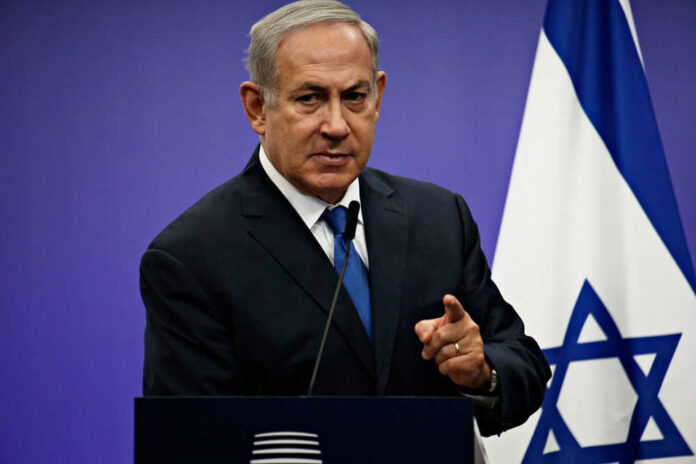
Israel’s response was swift and uncompromising. Netanyahu publicly branded Sánchez’s remarks as genocidal, summoning Spain’s top diplomat for a formal rebuke. Spain, for its part, rejected the accusations as slanderous and summoned Israel’s acting ambassador in retaliation. The U.S. State Department, already wary of Spain’s arms embargo and its potential to undermine NATO cooperation, voiced “serious concern.” Defense and technology contracts stalled, scientific exchanges with Israel froze, and Spanish industry braced for the economic aftershocks. The controversy exposed fault lines not just between Spain and Israel but across the European Union, where member states now debate whether Sánchez’s rhetoric represents humanitarian solidarity or dangerous incitement.
Experts warn of longer-term realignments. Richard Goldberg of the Foundation for Defense of Democracies cautioned that Spain’s stance could trigger a strategic rift with the United States, while CAM’s Sacha Roytman insisted Sánchez’s words merited investigation under international law. The Jerusalem Post editorial board put it bluntly: Spain has crossed a red line, and its international reputation may not recover quickly.
The Broader Implications for Europe and Beyond
The diplomatic standoff has emboldened critics of Israel while alarming those who see rising antisemitism in European politics. For Spain’s Jewish community, just 12,900 people in a nation of 49 million, the controversy has heightened anxiety and reinforced the need for vigilant advocacy. Within Spain, the opposition seizes every opportunity to challenge Sánchez, leveraging public outrage to call for accountability and policy change. Abroad, European allies watch nervously, mindful that today’s rhetorical misfire could become tomorrow’s diplomatic crisis.
No formal legal proceedings have begun against Sánchez, but the calls for investigation persist. The immediate future promises more public scrutiny, more diplomatic maneuvering, and perhaps a reckoning for Spain’s foreign policy direction. One thing is certain: the era when European leaders’ words were dismissed as mere rhetoric is over. In an age of hyperconnectivity and global outrage, every sentence carries the weight of history.
Copyright 2025, LibertySociety.com .