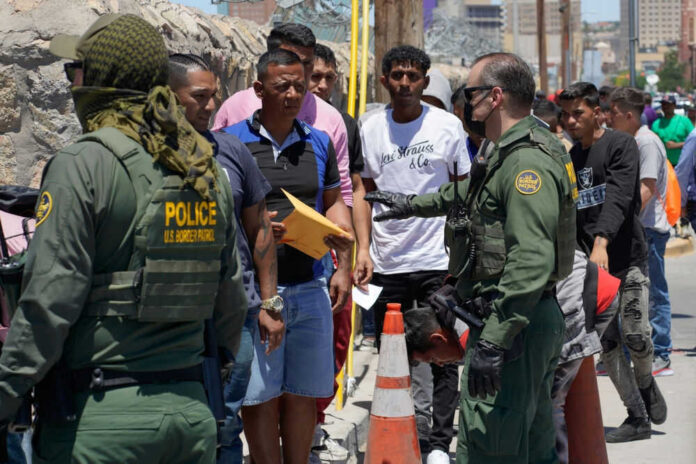
(LibertySociety.com) – A federal judge appointed during the Obama administration has seized direct operational control over Border Patrol activities in Chicago, ordering the agency’s top official to report to her courtroom daily, a move that shatters decades of precedent separating judicial review from executive enforcement operations.
Quick Take
- An Obama-appointed federal judge has ordered Border Patrol’s Chicago commander to meet with her daily, marking an unprecedented assertion of judicial authority over federal immigration enforcement
- The judge’s intervention followed a controversial tear gas deployment during an immigration enforcement action in Chicago’s Little Village neighborhood
- This case represents a dramatic escalation in the judicial-executive conflict over immigration policy, with potential nationwide implications for how courts oversee federal law enforcement
- The situation pits sanctuary city protections against Trump administration enforcement priorities, creating a constitutional showdown over separation of powers
When Judges Become Operational Commanders
The federal judiciary has traditionally maintained clear boundaries with executive agencies. Courts review policies for legality and constitutionality, but they do not direct day-to-day operations or demand daily reporting from agency commanders. This Chicago case obliterates that distinction. An Obama-appointed judge has ordered Border Patrol’s top official in the region to appear before her regularly, transforming her courtroom into what amounts to an operational command center for federal immigration enforcement in the city.
The Tear Gas Incident That Changed Everything
The catalyst for this judicial takeover was a Border Patrol enforcement action in Chicago’s predominantly immigrant Little Village neighborhood where tear gas was deployed against crowds during an immigration raid. The incident sparked immediate outrage from immigrant advocacy groups, local officials, and civil rights organizations. Rather than issuing a traditional injunction or scheduling a hearing months away, the judge responded with direct operational intervention, essentially placing the Border Patrol commander under her supervision.
This approach bypasses normal legal procedures. Instead of allowing administrative processes or appeals to unfold, the judge inserted herself into the command structure. Border Patrol Chief Greg Bovino now faces the extraordinary requirement of reporting to federal court daily, a demand that fundamentally alters how the agency can conduct enforcement operations in Chicago. Every decision, every deployment, every tactical choice must now account for judicial scrutiny happening in real time.
Chicago’s Sanctuary City Status Meets Federal Authority
Chicago has long positioned itself as a sanctuary city, limiting cooperation with federal immigration enforcement and protecting immigrant communities from aggressive deportation efforts. The Trump administration, conversely, has prioritized strict enforcement and expanded deportations. This fundamental conflict created the conditions for judicial intervention. The judge appears to view herself as the necessary counterbalance to what she perceives as federal overreach threatening the constitutional rights of immigrants in her jurisdiction.
The Constitutional Powder Keg
What makes this case genuinely extraordinary is its constitutional implications. The separation of powers doctrine assumes three co-equal branches operating within defined spheres. Executive agencies enforce laws. Courts interpret laws and review agency actions for constitutionality. Legislators write laws. But when a judge begins directing operational decisions of an executive agency, that framework collapses. The Border Patrol commander cannot simply follow the law as written and implemented by his superiors, he must also satisfy daily judicial requirements, creating competing chains of command.
Legal scholars will debate whether this represents necessary judicial protection of constitutional rights or dangerous judicial overreach. Supporters argue the judge is preventing potential civil rights violations and holding federal power accountable. Critics contend she is usurping executive authority and creating chaos in federal operations. Neither side is entirely wrong, which is precisely why this case matters so much.
What Comes Next
The Trump administration will almost certainly challenge this order through appeals, likely arguing it violates the separation of powers and exceeds judicial authority. The case could reach the Supreme Court, where the justices will confront fundamental questions about judicial power in an era of intense political polarization over immigration. If the judge’s order stands, it establishes a troubling precedent: any federal agency operating in a jurisdiction with an activist judiciary could face similar operational takeovers.
For now, Border Patrol operates under dual command, answering to Department of Homeland Security officials in Washington and simultaneously reporting to a federal judge in Chicago. This is not how American government is supposed to function, yet here we are, watching the constitutional boundaries between branches of government blur in real time over immigration enforcement.
Copyright 2025, LibertySociety.com .