(LibertySociety.com) – Imagine a single missile strike turning Europe’s largest nuclear power plant into the epicenter of a crisis that could change the continent’s future overnight.
Story Snapshot
- Russian military attacks have repeatedly disrupted critical power infrastructure for Ukrainian nuclear plants, raising fears of a catastrophic nuclear incident.
- The Zaporizhzhia Nuclear Power Plant remains under Russian control, operated by Ukrainian staff, and is at the heart of international alarm.
- World leaders and nuclear safety agencies warn that continued strikes could trigger a disaster with far-reaching consequences for public safety and regional stability.
- Despite no confirmed radioactive release, emergency systems and backup generators have become the last line of defense against nuclear meltdown.
Escalation: How Conflict Put Ukrainian Nuclear Plants on a Knife-Edge
Russian forces first seized the Chernobyl and Zaporizhzhia nuclear facilities in February 2022. Since then, Ukrainian nuclear plants have become strategic choke points in the war, with repeated shelling, drone attacks, and missile strikes targeting both the plants themselves and the substations that supply their vital external power. Each time these lifelines are severed, plant operators scramble to activate emergency generators, a stopgap that buys time, but not safety. The Zaporizhzhia plant, largest in Europe, sits at the center of this tension, its fate controlled by Russian occupiers but operated by Ukrainian experts under constant threat.
International monitors, led by the International Atomic Energy Agency (IAEA), established a permanent presence at Ukrainian nuclear sites in January 2023, aiming to provide transparency and issue real-time warnings. But the IAEA’s diplomatic weight has limits, unable to prevent the physical damage from strikes that have repeatedly knocked out external electric lines. Since August 2025, attacks have intensified, with substations serving Khmelnytskyi and Zaporizhzhia plants suffering direct hits. Each blackout forces a dangerous reliance on backup systems, and every hour without stable power raises the risk of overheating, a scenario hauntingly reminiscent of past nuclear disasters.
The High-Stakes Chess Game: Stakeholders and Power Dynamics
Russian military strategy seeks leverage by controlling energy assets and destabilizing Ukrainian infrastructure. Ukraine, for its part, fights to maintain national security and energy independence, with its government and Energoatom, the state nuclear company, working alongside international agencies to keep reactors running safely. Plant staff, often working under duress, are the unsung heroes, holding the line amidst shelling and political uncertainty. The IAEA, led by Director General Rafael Mariano Grossi, mediates but lacks enforcement power, while world leaders issue urgent warnings, calling for Russia to halt attacks that risk “catastrophic” consequences.
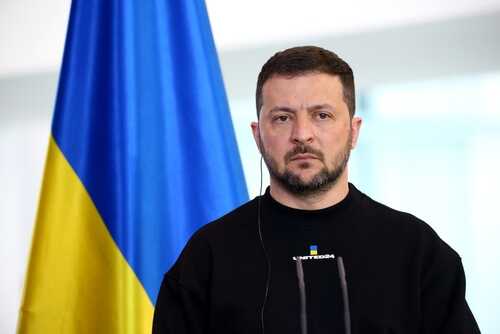
Russia’s President Vladimir Putin and Ukraine’s President Volodymyr Zelenskyy are central decision-makers, shaping the trajectory of the crisis. With the Zaporizhzhia plant’s operational status and safety hanging by a thread, the broader international community is left to pressure for de-escalation, as the specter of a regional nuclear disaster looms ever larger.
Current Developments: Strikes, Blackouts, and Emergency Responses
November 2025 saw new waves of Russian strikes disrupting power to substations linked to two major Ukrainian nuclear plants, escalating fears that backup generators may not be enough. September and October brought increased drone and missile activity near Khmelnytskyi and Zaporizhzhia, with the IAEA conducting emergency assessments on-site. Ukrainian officials and global nuclear watchdogs have called the situation “unprecedented,” warning that every new attack inches the region closer to a worst-case scenario where safety systems fail and radioactive materials could be released.
No confirmed radioactive release has occurred to date, but the risk remains elevated. Each new incident draws international attention and condemnation, with calls for stronger action to safeguard nuclear infrastructure. The cycle of attack, emergency response, and diplomatic outrage continues, with no clear resolution in sight.
Impact Analysis: What’s at Stake for Ukraine, Europe, and the World
Immediate risks focus on the potential for a nuclear accident caused by loss of cooling and safety systems. If backup generators were to fail, core damage and radioactive release could follow, threatening hundreds of thousands living near the reactors. Long-term, the crisis jeopardizes regional security, environmental health, and Europe’s energy supply. Blackouts and heating shortages have already disrupted daily life, while public anxiety and the prospect of displacement grow.
The ripple effects extend beyond Ukraine. Neighboring countries watch nervously, knowing that radioactive contamination would not respect borders. The nuclear industry faces scrutiny, with policymakers reevaluating the wisdom of operating reactors in conflict zones. Calls for international intervention intensify, but the situation remains as volatile as ever, a high-stakes test of diplomacy, technology, and human resilience.
Expert Perspectives: Warnings, Disagreement, and Calls for Action
Nuclear safety experts, including those from the OECD Nuclear Energy Agency and Bellona Foundation, have described the ongoing military activity near nuclear plants as “unprecedented” and fraught with “serious risks.” The IAEA’s clear position is that nuclear safety must never be compromised, urging all parties to respect the sanctity of these facilities. Ukrainian officials have accused Russia of “nuclear terrorism,” while Russian authorities claim their attacks target only military assets and deny endangering reactors.
Credible sources, including the IAEA, World Nuclear Association, and independent safety organizations, concur that the risk of a nuclear disaster is real and rising. While casualty and damage reports vary, the consensus is unanimous on one point: the current escalation cannot continue without courting irreversible damage. As the world watches, the open question remains, will the next strike spark the catastrophe everyone fears, or will diplomacy hold the line?
Copyright 2025, LibertySociety.com .