(LibertySociety.com) – A $250 million COVID-era fraud scandal slipped through Minnesota’s bureaucracy even after officials spotted red flags, exposing how big-government programs can fail taxpayers long before a crisis hits.
Story Snapshot
- Minnesota education officials saw suspicious feeding claims from Feeding Our Future before COVID, but lacked power to shut it down.
- Loose federal rules and a state court order forced taxpayers to keep funding what prosecutors now call a massive fraud network.
- The scheme allegedly stole about $250 million from child-nutrition programs meant to help low-income families.
- House Republicans are probing Governor Tim Walz’s oversight as federal prosecutors secure convictions and long prison sentences.
Early Red Flags Ignored in a Broken System
Years before lockdowns, Minnesota’s Department of Education staff watched Feeding Our Future mushroom from a routine program sponsor into an operation making implausible claims about how many children it was feeding. Officials questioned explosive growth, flagged locations that could not possibly handle the reported meal volume, and pushed back on incomplete documentation. They tried to slow or deny new site approvals, but quickly ran into a familiar problem for anyone who trusts big government least: rules written in Washington that tie the hands of people on the ground.
Under federal guidelines for child-nutrition programs, states are generally required to keep paying claims unless they can fully document cause to shut a sponsor down. Minnesota regulators suspected fraud, yet had to keep processing payments while they gathered evidence. That left Feeding Our Future free to sue, claiming discrimination against its largely immigrant network of meal sites. A state judge then ordered the department to move faster on approvals and payments, pushing bureaucrats to open the spigot wider just as the red flags were multiplying.
How COVID Policies Turned a Suspected Scam into a Feeding Frenzy
When COVID hit and politicians in Washington rushed out emergency waivers, the weaknesses built into these programs exploded into full view. The USDA relaxed in-person monitoring and documentation rules in the name of getting food out quickly. Physical site checks were curtailed, and verification of meal counts became even more paper-based and trust-driven. That environment rewarded anyone willing to game the system. Prosecutors now say Feeding Our Future and its partners took full advantage, filing waves of fake rosters, invoices, and meal claims.
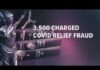
Federal indictments describe a network of shell companies, restaurant fronts, and vendors allegedly created to siphon away taxpayer dollars. Money intended to feed low-income children instead flowed into luxury homes, high-end cars, and overseas properties. By the time the FBI raided offices and federal prosecutors unsealed charges, the alleged theft had reached roughly $250 million, making it the largest pandemic fraud case tied to child-nutrition programs in the country. Dozens of defendants have since been charged, many convicted, and some sentenced to lengthy prison terms.
Accountability Questions for Governor Walz and Federal Bureaucrats
While career officials at Minnesota’s education department raised alarms early, ultimate responsibility for state agencies rested with Governor Tim Walz. Critics argue his administration failed to back up staff when they tried to clamp down on Feeding Our Future and instead allowed the lawsuit and court order to box regulators in. Republicans in Congress have seized on the scandal as a case study in how Democratic leaders managed COVID relief: fast to spend, slow to protect taxpayers, and far too willing to blame “the system” when things go wrong.
The House Committee on Education and the Workforce has launched an inquiry into the Walz administration’s role, issuing subpoenas for records and branding the affair the largest COVID-19 fraud scheme in the nation. Committee leaders say they want to know why early red flags did not trigger more aggressive action, what communications took place between state officials and the USDA, and whether political considerations played any role as the program ballooned. Their investigation highlights a deeper concern for conservative readers: when programs grow, accountability often shrinks.
What This Means for Taxpayers, Families, and Future Crises
For families who truly depended on these meal programs, the scandal is a double betrayal. Dollars meant to feed children were allegedly stolen, and the fallout has led to tighter scrutiny that can slow reimbursements for honest providers. Immigrant and minority-run organizations that followed the rules now face suspicion through no fault of their own. Meanwhile, taxpayers are left holding the bag for hundreds of millions in losses, plus the costs of lengthy federal investigations and prosecutions that came only after the money was gone.
Minnesota officials saw signs of massive fraud even before COVID hit – CBS News https://t.co/PaAtNez6fZ
— Sheri G Smith (@SheriGSmith1) December 7, 2025
For conservatives, the Minnesota case underlines why limited, accountable government matters. Massive, rapidly expanded programs with weak controls invite abuse, especially when courts and federal rules make it hard to shut down obvious bad actors. As Trump’s second-term administration focuses on border security, cutting waste, and restoring trust in American institutions, this scandal is a warning: future emergency aid must come with strong oversight, real-time data checks, and clear authority for states to turn off the tap when taxpayer dollars are at risk.
Copyright 2025, LibertySociety.com