(LibertySociety.com) – An Iranian-linked drone strike on a British base in Cyprus is a blunt reminder that Middle East conflicts don’t stay “over there” once allies open their territory to U.S. operations.
Story Snapshot
- A suspected Iranian-made drone hit RAF Akrotiri in Cyprus shortly after midnight on March 2, 2026, causing limited damage and no reported casualties.
- The strike came hours after UK Prime Minister Keir Starmer said UK bases could be used for specific and limited U.S. defensive action against Iranian missiles.
- British and Cypriot officials activated security protocols as air defenses and aircraft were put on alert for possible follow-on attacks.
- Attribution remains partly uncertain publicly, with officials describing the strike as suspected and details on the drone’s origin and type not fully confirmed.
RAF Akrotiri Hit After UK Opens Door to Limited U.S. Use
UK officials confirmed that a drone struck RAF Akrotiri, Britain’s key air base for Middle East operations and a sovereign UK territory on Cyprus. The impact occurred shortly after midnight on March 2, 2026, and authorities reported limited damage and no casualties. Cypriot officials described an “unmanned drone” and said security protocols were activated as coordination with the UK continued. The episode is being treated as part of a rapidly widening regional conflict.
UK Prime Minister Keir Starmer’s announcement—made only hours earlier—that UK bases could be made available for “specific and limited defensive purpose” is central to why this incident matters. The UK position, as described publicly, is that base access helps counter Iranian missiles and protects civilians and allies. Iran, by contrast, has framed its actions within a broader retaliation narrative after U.S. and Israeli strikes on Iranian targets, raising the risk that “defensive” basing quickly becomes a magnet for escalation.
What’s Known—and What’s Still Unclear—About Attribution
Public reporting so far points to a suspected Iranian-made drone, but officials have also acknowledged gaps. Cyprus said the drone’s origin and type were not yet known, and British statements referenced a broader threat environment that included missiles and drones moving toward the area. That matters for readers trying to separate verified facts from confident-sounding speculation: the timing, the location, and the limited damage are consistent across sources, while technical attribution details remain incomplete pending reviews.
Iranian Foreign Minister Abbas Araghchi has been cited describing Iranian units as acting “independently” under general instructions—language that can complicate deterrence because it blurs who is accountable in real time. Meanwhile, the UK and E3 partners have publicly condemned Iran’s actions and discussed defensive steps. With limited official detail released on the drone platform, flight path, or launch location, the strongest confirmed takeaway is operational: RAF Akrotiri is now inside the active risk envelope of the conflict.
Why Cyprus Matters: Sovereign UK Territory, European Spillover
RAF Akrotiri is not just another overseas facility; it is a central hub for British air operations in the Middle East and sits on sovereign UK territory in the Mediterranean. That geography is why many analysts describe this incident as a major threshold moment: it pushes the conflict’s impact closer to Europe and underscores how quickly hostile actors can reach strategic nodes using low-cost drones. The UK response focused on immediate protection—alerts, defenses, and coordination—rather than any declaration of war.
Strategic Consequences: Defense, Deterrence, and Domestic Patience
Short-term, the likely effect is heightened alert levels and tighter base-defense postures across the region, especially as reporting has described Iranian retaliation hitting multiple countries and infrastructure targets beyond pure military sites. Longer-term, the strike raises hard questions for allied governments about risk management when granting access for U.S. operations—even if framed as limited and defensive. Once a base becomes a launch-support node, adversaries may treat it as a legitimate target regardless of political messaging.
Iranian Drone Strikes British Airbase in Cyprus https://t.co/vAQSC9N30Y
— The Gateway Pundit (@gatewaypundit) March 2, 2026
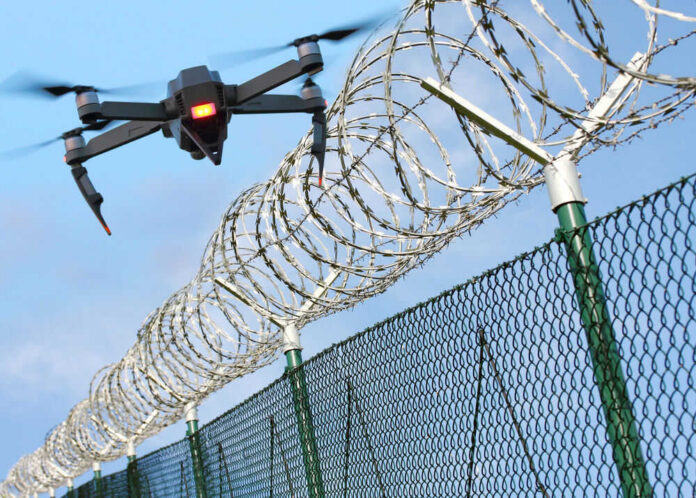
For Americans watching from 2026 under President Trump, the Cyprus incident also reinforces an old lesson: strength and clarity deter, while ambiguity invites testing. The available facts show the UK trying to thread a needle—supporting U.S. defensive actions without formally entering a war—while Iran signals it is willing to broaden the battlefield. With attribution details still developing, the safest conclusion is narrow but serious: drones have again proven they can deliver strategic effects with minimal warning, even against hardened installations.
Sources:
Iranian-made drone hits British air base in Cyprus, causing limited damage
Britain says drone hit its military base in Cyprus, the first impact of Mideast conflict in Europe
Three observations from Iran’s drone strike on RAF Akrotiri
Copyright 2026, LibertySociety.com