
(LibertySociety.com) – Illinois Democrats’ radical new law invites lawsuits against ICE agents and blocks their courthouse arrests, directly challenging federal immigration authority under President Trump’s enforcement push.
Story Snapshot
- DOJ sues Illinois Gov. J.B. Pritzker and AG Kwame Raoul on Dec. 22, 2025, over the “Illinois Bivens Act” that empowers private suits against federal immigration officers.
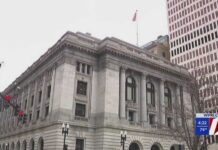
- State law creates 1,000-foot buffer zones around courthouses, prohibiting ICE and Border Patrol arrests despite sanctuary policies forcing such actions.
- Trump’s DOJ argues the law violates the Supremacy Clause, harassing federal agents and prioritizing illegal immigrants over public safety.
- Case pending in Southern District of Illinois before Judge David Dugan; Illinois lawmakers admit constitutional weaknesses.
DOJ Files Lawsuit Against Illinois Sanctuary Overreach
U.S. Department of Justice filed suit on December 22, 2025, in the U.S. District Court for the Southern District of Illinois, targeting Governor J.B. Pritzker and Attorney General Kwame Raoul. The complaint challenges a state law dubbed the “Illinois Bivens Act” by critics. This legislation allows private individuals to sue federal immigration agents like ICE and Border Patrol for alleged violations during civil enforcement actions. It also bans arrests within 1,000 feet of courthouses. U.S. Attorney Steven D. Weinhoeft leads the effort from East St. Louis, emphasizing federal supremacy in immigration matters.
Illinois Law Stems from Defiant Sanctuary Policies
Illinois Democratic supermajority passed the law rapidly, with Pritzker signing it shortly before the DOJ action. State refusal to honor ICE detainer requests leaves criminal aliens free, forcing agents to target courthouses for arrests. This prompted buffer zones to shield undocumented immigrants. Senate President Don Harmon sponsored the bill, admitting its “imperfect” nature against a “stacked deck” of federal authority. Critics see it as anti-ICE activism, mimicking federal Bivens remedies in state courts to harass officers and enrich trial lawyers with payouts and fees.
Federal Supremacy Under Siege in Sanctuary States
DOJ asserts the law unconstitutionally interferes with federal operations, rejecting any civil-criminal distinction as a fallacy. No state can regulate federal arrests in public spaces like courthouse perimeters. Weinhoeft criticizes Illinois for releasing murderers and other criminal aliens, preferring lawsuits over supporting ICE’s Criminal Alien Program. This fits a pattern of Trump-era clashes, including E-Verify bans and National Guard disputes. A related Supreme Court shadow docket order on December 23 addressed Guard federalization but not this suit directly.
Impacts on Agents, Communities, and National Enforcement
ICE agents risk constant harassment through activist-driven suits, burdening federal budgets with attorney fees and damages. Illinois communities face heightened dangers from unremoved criminal aliens due to detainer refusals. Short-term, an injunction could halt buffers and private actions, easing operations. Long-term, victory reinforces preemption precedents, curbing sanctuary resistance nationwide. Political tensions escalate, pitting federal law-and-order against state overreach that undermines border security and public safety.
Stakeholders and Path Forward
Defendants Pritzker and Raoul prioritize shielding immigrants over cooperation, while Harmon pushes “accountability” for federal agents. DOJ seeks to strike the law entirely. No Illinois response filed yet; hearings pending before Judge Dugan. Trial lawyers and social justice groups gain from the private right of action, but federal power dynamics favor Supremacy Clause arguments. This battle highlights ongoing state-federal divides in Trump’s immigration crackdown era.
Copyright 2025, LibertySociety.com