

(LibertySociety.com) – Three gunshots shattered the calm at Oklahoma State University’s Carreker East residential hall, exposing the fragile line between celebration and chaos just hours after Homecoming festivities ended.
Story Snapshot
- Three individuals, including one OSU student, were hospitalized after a campus shooting.
- The violence erupted immediately following a large private party after Homecoming weekend.
- Police confirmed the suspect was no longer on campus and declared the area safe.
- The incident highlights urgent questions about campus security and event oversight.
The Night Homecoming Ended with Sirens
Homecoming weekend at Oklahoma State University draws thousands every year, a high-spirited collision of alumni, students, and Stillwater locals. This year, the celebrations ended in a way no one expected. At 3:40 a.m. on October 19, 2025, police responded to Carreker East residential hall after multiple victims reported a shooting. The scene was not a rowdy party but a corridor marked by fear and confusion, the aftermath of violence that followed an off-campus gathering. The campus, still buzzing from the festivities hours earlier, was thrust into crisis mode.
Within two hours, authorities confirmed three victims, including an OSU student, had been transported to hospitals in Oklahoma City and Tulsa. The precise details of what sparked the shooting remain part of an active investigation, yet the timeline is clear: the violence was swift, isolated, and occurred in the shadow of one of OSU’s most celebrated weekends. By sunrise, campus operations resumed, but the sense of vulnerability lingered in every conversation between students and staff.
Police Response and Campus Safety Coordination
The OSU Police Department led the charge, rapidly coordinating with Stillwater Police and the Oklahoma State Bureau of Investigation. Their message to the campus community was unequivocal: the incident was isolated, the suspect was no longer present, and there was no ongoing threat. By 11:00 a.m., OSU issued formal reassurance, encouraging students to resume normal activities while the investigation pressed forward. The efficiency and clarity of the response underscored the value of inter-agency cooperation, a point often debated in the wake of campus violence elsewhere, where confusion can compound tragedy.
Chief Michael Beckner and university administrators faced the dual challenge of providing transparency to a shaken student body and gathering critical evidence. At 2:24 p.m., police called for the public’s assistance, seeking any media or information that might illuminate what happened inside Carreker East. The open-loop nature of the investigation, with the suspect still unidentified and the motive unclear, meant speculation filled the vacuum, prompting renewed scrutiny of campus event policies, especially after large off-campus gatherings.
Impact on Students, Policy, and the Community
The immediate impact was felt most acutely by the victims and their families, but the ripple effects reached every corner of OSU. Anxiety surged among students, many of whom questioned the safety of residential halls and the adequacy of event oversight. The university responded with increased law enforcement visibility and emotional support resources. For Stillwater’s broader community, the shooting was a stark reminder that even celebrations can turn in an instant, raising questions about how campus and city intersect during major events.
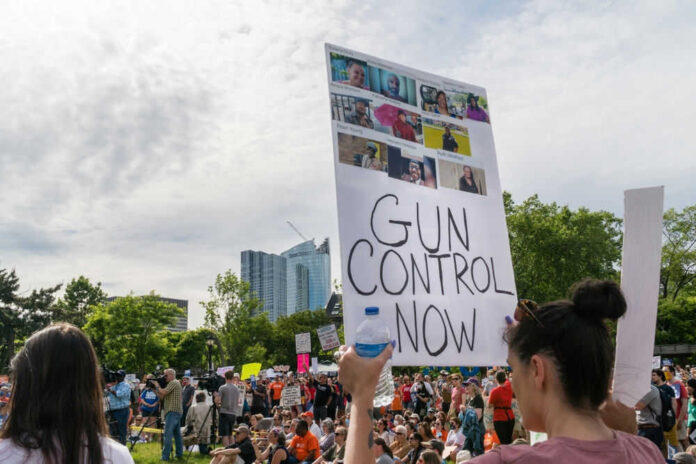
Longer-term, the incident may catalyze policy changes at OSU and beyond. Administrators are likely to review residential hall access, private party regulations, and emergency response protocols. The economic costs, medical bills, overtime for law enforcement, and crisis communications, will be weighed against the social trauma and political fallout. The shooting feeds into the national conversation about campus violence and gun control, with experts divided between calling for stricter regulations and advocating for more proactive community engagement.
Expert Analysis and Lessons for the Future
Law enforcement experts point to OSU’s rapid, coordinated response as a model for crisis management. The swift declaration that the campus was safe, supported by timely updates, helped contain panic and restore order. Campus safety professionals argue that surveillance and event controls must be tightened, especially during high-traffic weekends. Scholars in criminology emphasize the need for preventative measures, including mental health support and early intervention programs for at-risk individuals.
The shooting also exposed the delicate power dynamics on campus: students rely on institutional protection, law enforcement holds jurisdiction, and administrators must balance safety with the freedom to celebrate. While the investigation is ongoing, the consensus among credible sources is clear, transparency, preparedness, and community cooperation are vital. OSU’s ordeal may become a case study, prompting universities nationwide to reassess their approach to campus events, residential security, and emergency communications. The line between celebration and crisis has rarely felt thinner.
Copyright 2025, LibertySociety.com .