

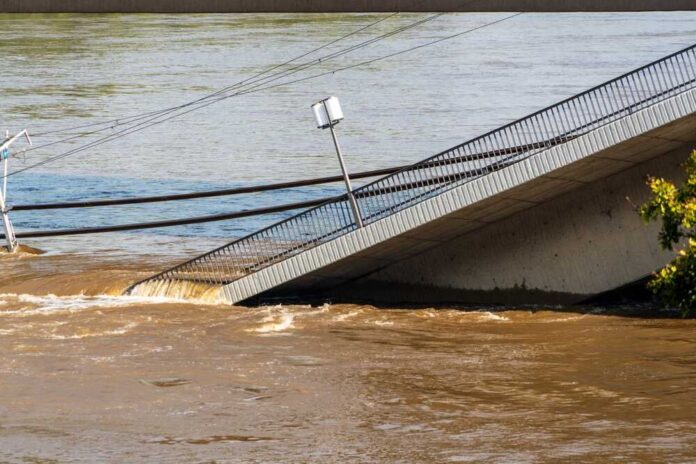
(LibertySociety.com) – Devastating landslides and flash floods in Indonesia have claimed at least 19 lives while highlighting how decades of environmental mismanagement and government neglect have left vulnerable communities defenseless against predictable natural disasters.
Story Highlights
- Death toll rises to 19 with multiple people still missing in North Sumatra
- Thousands displaced as rescue operations struggle with damaged infrastructure
- Deforestation and poor land management identified as key contributing factors
- Government agencies overwhelmed by scope of disaster response needs
Monsoon Rains Trigger Deadly Cascade
Torrential monsoon rains beginning November 24-25 saturated North Sumatra’s mountainous terrain, triggering catastrophic landslides and flash floods across Tapanuli and Sibolga regions. The Indonesian National Search and Rescue Agency (BASARNAS) confirmed the death toll climbed from initial reports of 10 fatalities to at least 19 as rescue teams recovered additional bodies. Several people remain missing as search operations continue despite treacherous conditions and ongoing rainfall threatening further disasters.
Government Response Hampered by Infrastructure Failures
Rescue efforts face significant obstacles as damaged roads, compromised communication networks, and unstable terrain limit access to affected areas. Local government officials coordinated emergency evacuations while establishing temporary shelters for thousands of displaced residents. The Disaster Mitigation Agency issued urgent warnings for residents in high-risk zones to evacuate immediately, acknowledging their limited capacity to prevent additional casualties. Police and military personnel joined rescue operations, but their effectiveness remains constrained by the scale of destruction and continued weather threats.
Environmental Mismanagement Amplifies Natural Disaster Impact
Disaster management experts identified deforestation and irresponsible land-use practices as primary factors that transformed routine monsoon rains into deadly catastrophes. Years of removing natural vegetation barriers reduced the landscape’s ability to absorb heavy rainfall and stabilize soil on steep slopes. This environmental degradation, combined with communities built in landslide-prone areas, created conditions where predictable seasonal weather became lethal. The pattern reflects broader governmental failures to implement sustainable development policies that protect citizens from foreseeable risks.
Regional Vulnerability Exposes Systemic Problems
North Sumatra’s mountainous geography and dense population centers create inherent vulnerability, but government inaction has worsened natural risks through poor planning and inadequate infrastructure investment. Indonesia experiences similar disasters annually during monsoon seasons, yet authorities consistently fail to implement effective prevention measures or early warning systems. The recurring nature of these tragedies demonstrates how centralized government agencies prioritize reactive response over proactive protection. Local communities remain dependent on external aid rather than benefiting from competent disaster preparedness that could minimize casualties and economic losses.
This latest disaster underscores the urgent need for accountability in environmental stewardship and disaster preparedness, as Indonesian families continue paying the ultimate price for governmental negligence and short-sighted policies that prioritize development over citizen safety.
Copyright 2025, LibertySociety.com .