

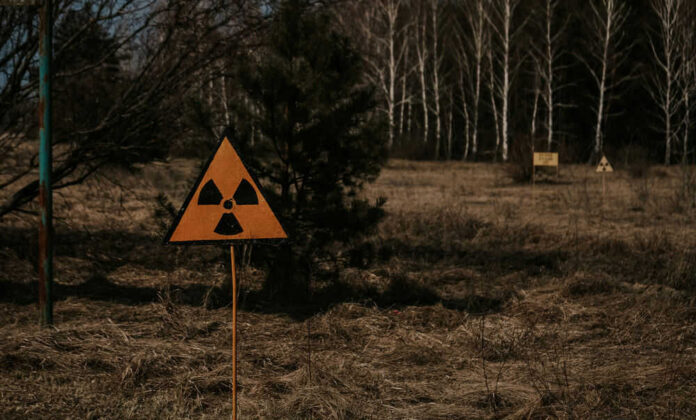
(LibertySociety.com) – Fifteen years after Fukushima, a government-imposed exclusion zone has turned into a real-world warning about what happens when humans lose control of borders—this time, between wild and domestic animals.
Quick Take
- A 2026 peer-reviewed genetics study found escaped domestic pigs interbred with wild boar in Fukushima’s evacuation zone after the 2011 disaster.
- Researchers say “fast breeding” comes from maternal pig lineages (year-round reproduction), not radiation-driven mutation.
- Genetic testing suggests pig DNA diluted quickly through backcrossing, even after multiple generations.
- Officials still face boar overpopulation and crop damage concerns as parts of the region reopen and human activity returns.
Escaped farm pigs created a natural experiment inside the exclusion zone
Japan’s March 11, 2011, Fukushima Daiichi disaster forced evacuations and left an exclusion zone with sharply reduced human activity. In the chaos, large numbers of domestic pigs escaped from farms and entered surrounding forests, where they encountered native wild boar. With hunting pressure reduced, boar populations expanded in parts of the zone. Researchers later treated the situation as a large-scale, accidental “experiment” in hybridization under unusual conditions.
A study published January 22, 2026, in the Journal of Forest Research analyzed genetic material collected from 2015 to 2018, including 191 wild boar samples and 10 pig samples. The team, led by Professor Shingo Kaneko of Fukushima University with co-author Dr. Donovan Anderson of Hirosaki University, examined maternal mitochondrial DNA alongside nuclear genes to see how hybridization spread and how quickly domestic pig traits persisted.
“Like mother, like boar”: why reproduction sped up in early hybrid lines
The core finding highlighted in multiple summaries is that maternal lineage matters. Wild boar typically breed seasonally and produce smaller litters, while domestic pigs have been bred to reproduce year-round with larger litters. When the mother was from a domestic pig lineage, researchers observed faster generational turnover compared with typical boar breeding patterns. That mechanism—maternal inheritance tied to domestic pig reproduction—helps explain why hybrids could expand quickly in the years after the escape.
Importantly, coverage of the study repeatedly emphasizes what the evidence does and does not show. The research frames the hybrid surge as genetics and breeding dynamics, not a “radiation created mutant animals” storyline. Some headlines leaned into “radioactive boar” imagery, but the scientific reporting points back to ordinary biology: abundant habitat, fewer humans, and the reproductive edge of domestic pig maternal lines. That distinction matters for public understanding and for practical management.
Pig genes faded faster than many expected, but management problems remain
Another key outcome is that domestic pig genes did not necessarily dominate for long. The study describes rapid dilution of pig nuclear DNA through backcrossing with wild boar—meaning hybrids repeatedly bred back into the boar population. Summaries of the results describe pig DNA fading quickly over multiple generations, even as maternal lineage effects helped early growth. Researchers describe the end state as increasingly boar-like animals, not permanent pig-boar “super hybrids.”
That doesn’t mean the situation is harmless. Fukushima Prefecture authorities have dealt with boar overpopulation issues for years, including damage to crops and impacts on communities as some areas reopen. With fewer people in the landscape for long periods, boar populations had room to expand. Even if pig genes dilute, the near-term spike in numbers can still create a persistent local management challenge, especially where farmland and human settlements return to the edges of boar habitat.
What the Fukushima data means outside Japan
Researchers and science outlets point to global relevance because hybridization between domestic pigs and wild boar isn’t unique to Japan. Other regions—including parts of the United States and Australia—have faced destructive feral pig problems and hybrid animals. The Fukushima case stands out because the escape was sudden and large, followed by a long period of limited human intervention. That combination makes it easier to see how quickly hybrid traits can spread, and how quickly they can also wash out.
JAPANESE NUCLEAR SWINE: In the Fukushima Radioactive Disaster Area, Pig-Boar Hybrids Are Reproducing Fast https://t.co/2qzRdnRg3P
— The Gateway Pundit (@gatewaypundit) February 11, 2026
For readers tired of sensational narratives, the bottom line is straightforward: this is a case where real data undercuts the most viral assumptions. The study’s strongest claims rely on genetics, sampling, and timelines that are transparent about limits—especially because samples were collected from 2015–2018, meaning precise “right now” prevalence is less certain. What is clear is that when domestic animals escape containment, nature doesn’t pause for politics, and cleanup—whether ecological or governmental—gets more expensive over time.
Sources:
Like mother, like boar: Fukushima pig escape reveals a genetic fast track
Pig-boar hybrids are evolving in Fukushima and rewriting what we know about hybridization
Escaped pigs speed wild boar breeding after Fukushima, study finds
Escape from Fukushima: Pig-boar hybrids reveal a genetic fast track
Fukushima nuclear powerplant disaster led to pigs breeding with wild boar, scientists find
Amorous radioactive hybrid terror pig mums
Fukushima study finds pig genes fading faster than expected in boar hybrids
Nuclear hog hybrids in Japan show how quickly wild genetics can take over
Radioactive pig-boars in Fukushima: Understood (by science)
Copyright 2026, LibertySociety.com