

(LibertySociety.com) – When the loudest voices in conservative media turn their fire on each other, the shockwaves reveal more about the future of American politics than any campaign rally ever could.
Story Snapshot
- Ben Shapiro and Megyn Kelly’s on-stage feud exposes deep fractures within the conservative movement.
- Tucker Carlson’s interview with Nick Fuentes sets off controversy over “platforming” extremists.
- Private texts and public arguments blur the line between personal and professional disputes.
- The fallout shapes the battle for the soul of right-wing media in a post-MAGA era.
Shapiro vs. Kelly: When Private Grievances Go Public
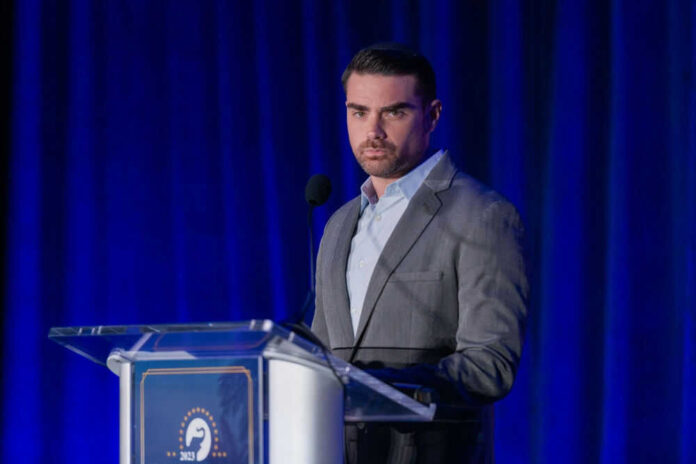
Ben Shapiro’s confrontation with Megyn Kelly did not unfold behind closed doors but under the glare of stage lights, with every barb and rebuttal amplified for an audience hungry for drama. The heart of the dispute: Kelly defended Tucker Carlson’s decision to interview Nick Fuentes, a figure synonymous with anti-Semitic rhetoric, while Shapiro argued that such “platforming” legitimizes hatred and undermines conservative credibility. Their exchange, punctuated by Shapiro reading texts from Carlson himself, laid bare the personal tensions and strategic disagreements that now define the movement. For spectators, the spectacle was more than personal animosity, it was a referendum on where conservative media should draw its boundaries, and who gets to decide what voices are acceptable in the era of fragmented ideology.
Public attention quickly shifted from the substance of Carlson’s interview to the spectacle of high-profile figures airing grievances that once would have stayed private. Shapiro’s accusation that Carlson acted as an “ideological launderer of bad ideas” landed with force, while Kelly’s insistence on free speech and open debate underscored the movement’s ongoing struggle to balance principle with public perception.
The Crisis at the Heart of Conservative Media
Tucker Carlson’s decision to interview Nick Fuentes did not occur in a vacuum. With the assassination of Charlie Kirk still looming in collective memory, Carlson reached out to Shapiro and Mark Levin, seeking to quell the escalating hostilities among conservative influencers. His overture failed, as the attempted truce unraveled almost immediately, demonstrating how personal loss and ideological rifts now intertwine, complicating any hope for unity. The feud over “platforming” Fuentes reignited a perennial debate: does engaging with controversial voices challenge extremism, or merely grant it legitimacy?
Shapiro’s insistence on ideological boundaries reflects deep-seated anxieties within the movement. Many conservatives fear that blurring lines between free speech and endorsement risks normalizing the very extremism they claim to oppose. Kelly, meanwhile, champions the marketplace of ideas, arguing that sunlight and scrutiny are the best disinfectants, even if it means facing uncomfortable conversations on a public stage. Their dispute, amplified by the speed and reach of digital media, ensures that the audience is not just watching but choosing sides, further entrenching the divisions that define the current era.
Aftershocks and Open Questions for the Right
The fallout from Shapiro and Kelly’s feud is already reshaping the architecture of conservative media. Audience loyalties are in flux, advertisers and network executives monitor the reputational risks, and political actors look for openings to capitalize on the chaos. Short-term, the schism breeds polarization, with partisans rallying around their preferred champions. Long-term, the dispute could drive a realignment, forcing conservative outlets to clarify their own red lines about speech, extremism, and editorial responsibility.
Industry experts echo these warnings, noting that right-wing media now walks a tightrope: court controversy and risk backlash, or police its own ranks and risk accusations of censorship. The precedent set here will reverberate, influencing future guest selections, interview formats, and even the unwritten rules of engagement among media peers. For the audience, the open question remains: when the gatekeepers of the movement cannot agree on their own boundaries, who decides what conservatism means?
Copyright 2025, LibertySociety.com .