
(LibertySociety.com) – What if a political party could derail an entire economy just by refusing to sign a piece of paper, would you recognize the shutdown for what it really is?
Story Snapshot
- The government shutdown is framed as a calculated Democratic strategy to disrupt Trump-era economic gains.
- Democrats are accused of blocking a “clean” funding bill to force concessions and create economic instability.
- Billions in economic losses and deep public service cuts are immediate consequences, with ripple effects across industries.
- Partisan narratives clash: Is this sabotage, or just another round of political brinkmanship?
Democrats Accused of Orchestrating Shutdown for Political Leverage
Democratic leaders, including Chuck Schumer and Hakeem Jeffries, have been accused by Republican commentators and pollsters of deliberately triggering the federal government shutdown to sabotage the Trump administration’s celebrated economic record. The claim: refusing a “clean” continuing resolution, Democrats demanded increased spending, particularly on healthcare and undocumented immigrant benefits, knowing this would stall negotiations and force a shutdown. Their alleged strategy: manufacture economic turmoil, let the blame fall on Republicans, and dull the luster of Trump’s economic achievements.
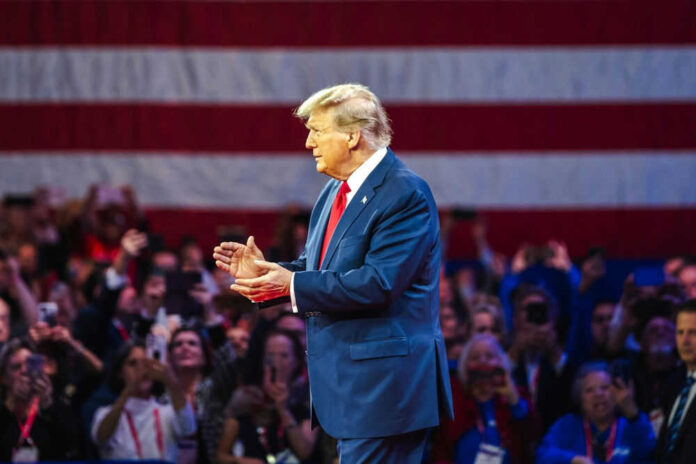
The timing is critical. The shutdown struck at a moment of robust economic growth, with the Trump administration pointing to gains in employment and GDP as central to its 2025 re-election narrative. By leveraging their Senate minority power, thanks to the 60-vote filibuster threshold, Democrats effectively held the federal budget hostage. Republicans, including President Trump and Vice President JD Vance, pushed back, arguing for a “clean” bill free of policy riders. Neither side blinked as the clock hit midnight and the government went dark.
Economic Fallout and Escalating Blame Game
As the shutdown dragged into early October, the fallout was immediate and far-reaching. Federal employees went unpaid, agencies shuttered, and contractors faced halted projects. Economists estimate the shutdown cost the U.S. roughly $15 billion in GDP per week, a staggering blow with each passing day. Republicans swiftly blamed Democrats, accusing them of prioritizing “illegal immigrant healthcare” over American livelihoods. Democrats countered that Republicans were intransigent, refusing to negotiate on core priorities like healthcare funding and social support.
Public statements grew more heated as the standoff wore on. Both parties raced to control the narrative, knowing that the court of public opinion could tip the scales in the next election cycle. Conservative voices amplified claims of intentional economic sabotage, while others pointed to the shutdown as yet another symptom of a polarized, dysfunctional Congress.
Shutdowns as Political Weapons: Precedent or Sabotage?
Government shutdowns are not new. The current clash follows a pattern established in 2013 and 2018-2019, where shutdowns became high-stakes bargaining chips in partisan showdowns. What distinguishes this episode is the sharpness of the accusation: that Democrats, this time, acted with the express goal of damaging the opposing party’s economic record, not merely advancing policy goals. Partisan sources trumpet this as proof of underhanded tactics; nonpartisan institutions like the Brookings Institution frame it as a consequence of deepening polarization and procedural gridlock.
The truth may be less tidy. Both parties have used shutdowns as leverage, and the mechanics of the impasse, demanding policy concessions versus protecting the status quo, are well-worn grooves in Washington’s playbook. Yet the economic toll is real and growing, fueling anxiety among businesses, federal employees, and everyday citizens who rely on government services.
Long-Term Consequences and Divided Perspectives
The immediate impacts, service disruptions, lost income, and eroding public trust, are only the beginning. Economists warn of long-term damage: each week of shutdown not only saps GDP, but also undermines confidence in American governance and the reliability of federal contracts. Political scientists observe that each crisis sets a new precedent, making future shutdowns more likely as partisans learn to weaponize the budget process.
Expert opinions diverge sharply along partisan lines. Some conservative commentators see a clear pattern of Democratic sabotage; others, both academic and nonpartisan, argue that the real culprit is a system that incentivizes brinkmanship over compromise. The core question, did Democrats intentionally tank the economy, or are both sides trapped in a cycle of mutual escalation?, remains hotly contested and fiercely debated in the halls of Congress and across cable news.
Copyright 2025, LibertySociety.com .