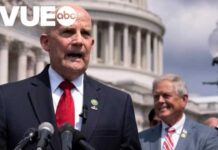

A $1 million “dark money” pipeline into a pro-Ken Paxton super PAC sparked a federal complaint that could test the thin line between legal outside support and illegal coordination.
Story Snapshot
- Talarico’s campaign filed a complaint over four checks exceeding $1 million to a pro-Paxton super PAC.
- The complaint claims the money was routed to dodge federal limits and disclosure rules.
- Federal law bans contributions “in the name of another” and coordinated spending with campaigns.
- The case highlights how super PACs and nonprofits can mask original donors under current rules.
What sparked the complaint and why it matters
James Talarico’s United States Senate campaign asked federal regulators to investigate money sent to Lone Star Liberty, a super political action committee that backs Ken Paxton. CBS News reported that the super political action committee received four checks totaling over $1 million from an entity called Preserve Texas, Incorporated, between February and May. The complaint says this structure hid true donors and broke the rules on contributions and coordination. The filing aims to force disclosure and trigger enforcement action.
Federal Election Campaign Act rules set clear guardrails in two areas that matter here. First, the law bans giving “in the name of another person,” which covers conduit or straw donor schemes designed to hide a real source. Second, the Federal Election Commission’s coordinated communication rules treat certain coordinated spending as an in-kind gift to a campaign, which is restricted and limited. The complaint argues the money flow and relationships crossed one or both lines.
How super PACs and nonprofits fit into the money trail
Super political action committees can raise and spend unlimited sums to influence elections, but they must disclose donors and remain independent from campaigns. Nonprofit groups can spend to influence politics, yet often do not disclose their original donors, which is why critics call some of this spending “dark money”. When money moves from a nonprofit to a super political action committee, the listed donor may be the nonprofit, not the people who funded it. That is legal unless it is used to conceal true sources or enable coordination.
Recent filings and news coverage show both sides in Texas drawing heavy cash, though with different mixes of sources. The Texas Tribune’s review of mid-year reports found limited direct political action committee support to both Talarico and Paxton, while Lone Star Liberty reported notable pro-Paxton spending. Those numbers underscore the campaign reality: outside groups can shape the air war and ground game. That reality drives fierce fights over where the money comes from and how it is used.
What enforcement could look like and why voters care
The Federal Election Commission can investigate complaints, require more disclosures, impose civil penalties, and refer willful cases to the Department of Justice. This process often moves slowly and can deadlock, which is why watchdogs say enforcement gaps invite risky tactics. If regulators find illegal conduit donations or coordination here, they could fine the entities involved and order corrective actions. If they do not, the case still highlights the limits of current rules and oversight.
Dark money in Texas Senate race to sway election spurs Talarico complaint to FEC against Paxton – CBS News https://t.co/yivJjkWt49
— Tyler Fallon (@tjmakiboi) September 2, 2026
Voters across the spectrum worry that hidden money buys access while families face higher costs and shrinking trust. Supporters of strict limits say nondisclosure lets the well-connected tilt the field out of public view. Defenders of current law say super political action committees are independent and protected by free speech. This complaint lands in that tension. It asks a simple test: did anyone hide the real source of funds or coordinate with a campaign? The answer will shape the rest of this race.
Sources:
cbsnews.com, notus.org, facebook.com, texastribune.org, kxan.com, abcnews.com
© libertysociety.com 2026. All rights reserved.