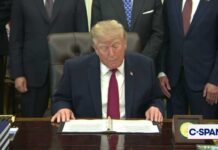

President Trump said the Flydubai co-pilot may be linked to Iran even as investigators were still sorting the facts.
Story Snapshot
- President Trump suggested a possible Iran link to the Flydubai cockpit attack while probes continued.
- United Arab Emirates prosecutors are leading a wide terrorism-focused inquiry that does not name Iran.
- Israel said the flight was a likely crash attempt but cautioned it was too early to blame Iran.
- Reports said the suspect was an Omani citizen as regional partners worked to determine motive.
What Happened On The Dubai-To-Tel Aviv Flight
Investigators said a Flydubai flight from Dubai to Tel Aviv made an emergency landing after the co-pilot stabbed the captain in the cockpit. Officials treated the event as an apparent bid to crash the plane. Passengers were Israeli, and the route raised immediate security concerns. Israeli statements said it was not a hijacking but a likely crash attempt. The episode triggered parallel inquiries across several countries and intense public focus on motive and direction.
United Arab Emirates officials announced a criminal probe led by the federal public prosecution. The team will review all circumstances and motives, including whether the attack was linked to terrorism, and whether there was prior planning or direction. Authorities did not single out any country or group. The mandate points to digital forensics, interviews, and cross-border cooperation to map the suspect’s contacts and travel. The prosecutors warned against speculation while they gathered evidence.
Trump’s Remark And How Officials Framed Iran
President Trump told reporters that Iran may be linked to the incident and said his answer, based on what he was hearing, was yes, while adding that work was ongoing. His comment landed while investigators were still active. Media in Israel and the region also aired claims tying the event to Iran. At the same time, Israel’s leadership urged caution, saying it was too early to say whether Iran was involved, keeping the official line grounded in the open investigation.
Some reports identified the suspect as an Omani citizen. Outlets described Saudi cooperation with other countries as they worked to understand the motive. That detail suggests a transnational look at the suspect’s life, finances, and communications. Such checks can show whether this was a lone assault, a planned terror act, or something in between. Until that work finishes, officials have kept public findings narrow and factual rather than pointing to a single cause.
Why The Attribution Question Matters Now
Reuters reported that Israeli officials viewed the event as a likely crash attempt, which sharpened attention on possible terror links. The route served Israeli passengers, and the timing fed long-running tensions between Israel and Iran. Those factors make any Iran claim hit hard in public debate. They also raise pressure on investigators to confirm or reject outside direction. Israel’s prime minister and other officials still said it was too early to blame Iran, stressing the need for proof.
BREAKING: Flydubai co-pilot suspect and wounded Indian Captain Smit Machchhar moved from Saudi Arabia to UAE; Israeli official says no Iran link has been found so far despite Trump’s remarks
— Breaking Aviation News & Videos (@aviationbrk) October 1, 2026
For many Americans, this episode taps a larger concern. People on the right and left see leaders move fast to talk geopolitics while basic safety and clear answers lag. A cockpit attack is the nightmare scenario. Citizens want secure skies, honest facts, and swift fixes. They also want to know if anyone abroad pushed this, or if gaps at home let it happen. That is why the United Arab Emirates probe, and any shared results, will matter far beyond the region.
Sources:
bbc.com, npr.org, pbs.org, boston25news.com, hindustantimes.com
© libertysociety.com 2026. All rights reserved.