
(LibertySociety.com) – France’s president is asking President Trump to undo U.S. visa bans aimed at European figures accused of building a censorship machine that can reach Americans online.
Quick Take
- French President Emmanuel Macron sent a letter urging President Trump to lift U.S. visa sanctions on five Europeans, including former EU commissioner Thierry Breton and ICC Judge Nicolas Guillou.
- The Trump administration tied the December 2025 bans to alleged “censorship crackdowns” connected to the EU’s Digital Services Act and pressure on American companies and speakers.
- Guillou’s separate August 2025 sanction is linked to ICC arrest-warrant proceedings involving Israeli Prime Minister Benjamin Netanyahu.
- Macron argues the U.S. sanctions wrongly punish European officials and undermine European autonomy, while U.S. officials frame the move as protecting free speech.
Macron’s letter puts censorship and sovereignty at the center of a U.S.-EU clash
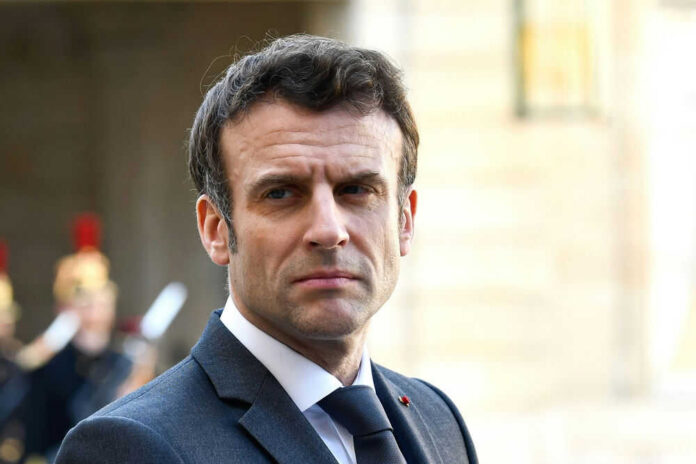
French President Emmanuel Macron has asked President Donald Trump to lift U.S. visa bans placed on five European nationals, according to reports citing Macron’s letter. The best-known names are Thierry Breton, the former EU internal market commissioner tied to the bloc’s Digital Services Act, and Nicolas Guillou, a French judge at the International Criminal Court. The request underscores how Europe’s digital enforcement agenda has collided with U.S. concerns about speech and sovereignty.
Macron described the visa sanctions as “unjustly imposed” and pushed back on the U.S. premise that Europe’s digital rules amount to extraterritorial censorship. Reports say the letter was first revealed by La Tribune Dimanche, with extracts verified through AFP pick-up reporting, and that no public response from Trump had been reported at the time those accounts were published. For American readers, the key point is that a foreign government is lobbying Washington to relax penalties tied directly to speech-related enforcement abroad.
Why the Trump administration imposed the bans in 2025
The sanctions unfolded in two phases. In August 2025, the United States sanctioned Guillou and other ICC judges connected to arrest-warrant proceedings involving Israeli Prime Minister Benjamin Netanyahu, a flashpoint that has long strained U.S. relations with the court. In December 2025, the United States imposed visa bans on Breton and three French NGO workers who monitor online disinformation, with U.S. officials citing alleged roles in censorship crackdowns that targeted American speakers and companies.
Macron’s request effectively asks Trump to concede a point the administration has treated as a core free-speech concern: whether the EU’s approach to regulating “disinformation” and “hate speech” is being used to pressure platforms and police lawful speech. The research provided indicates U.S. officials have characterized parts of Europe’s model as censorship and have criticized arrangements involving NGOs that monitor content. Macron, by contrast, is positioning the same ecosystem as legitimate governance and judicial independence, rather than an exportable speech regime.
Digital enforcement meets real-world penalties for the targeted Europeans
Beyond diplomacy, the visa bans reportedly created practical disruptions for those targeted. The research notes impacts such as blocked access to U.S.-linked financial and consumer services, including issues involving payment cards and access to major American platforms and marketplaces. That detail matters because it shows the sanctions are more than symbolic travel restrictions; they can ripple into day-to-day life, professional activity, and banking relationships. The immediate consequence has been heightened friction between Paris and Washington, not a quiet bureaucratic dispute.
What’s known—and what remains uncertain—about the next steps
As of the reporting summarized in the provided research, the bans remained in effect, and there was no confirmed signal that the White House planned to lift them. One figure mentioned in the coverage, Center for Countering Digital Hate CEO Imran Ahmed, is described as challenging his situation through litigation, calling the ban unconstitutional punishment—an argument that will likely turn on how U.S. authorities structured the restrictions and what procedural avenues exist. The coverage also notes European “strong disapproval,” but offers no evidence of a negotiated settlement.
For conservatives watching the bigger pattern, the dispute highlights a basic tension: Europe’s drive to regulate online speech and U.S. resistance to anything that looks like government-managed “truth” being pushed across borders via corporate compliance. Macron’s letter frames the issue as European autonomy, while the Trump administration’s posture—based on the research provided—frames it as defending Americans from censorship pressure tied to foreign digital rules. Until the administration responds, the practical reality is unchanged: the bans stand.
Sources:
Macron asks Trump lift US visabans on French Judge Guillou and former EU digital commissioner Breton
Macron urges Trump to lift US visa bans on French judge, ex-EU commissioner
Macron urges Trump to lift ‘unjust’ US visa bans on French judge, ex-EU commissioner
Macron asks Trump to lift sanctions on former EU commissioner Breton and ICC judge Guillou
EU, France, Germany slam US visa bans (PDF)
Copyright 2026, LibertySociety.com