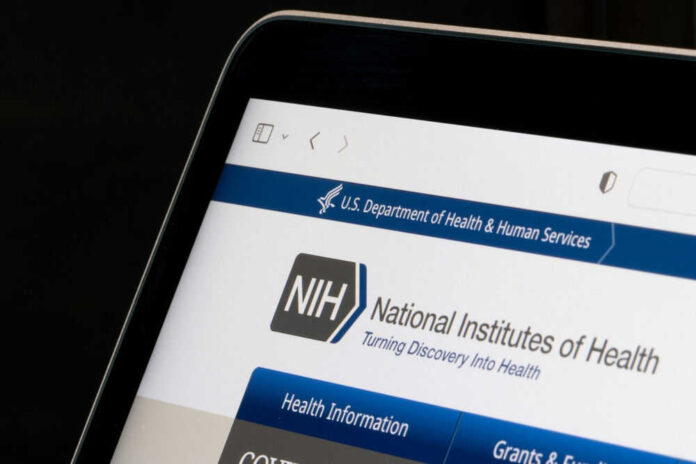
(LibertySociety.com) – Hundreds of millions in frozen NIH grants are back on the table, and the fight over what counts as “real science” versus ideological social engineering is suddenly very real money.
Story Snapshot
- NIH agreed to reconsider thousands of DEI and gender-identity-related grants using normal scientific review instead of anti-DEI filters.
- Court challenges forced the Trump administration to walk back a sweeping purge that disrupted more than 5,000 grants and about $783 million in funding.
- Researchers get a short-term lifeline, while NIH leadership openly promises many DEI-focused projects will die quietly at renewal.
- The clash exposes how far any White House can reach into science—and how far courts and states will go to push back.
How a Washington Directive Suddenly Rewrote the Rules of Science
The story starts with a blunt order: early in 2025, the Trump administration told NIH to choke off research tied to diversity, equity, inclusion, gender identity, and several politically disfavored health topics. That guidance translated quickly into termination letters, frozen reviews, and a quiet message that entire lines of inquiry—transgender health, workforce diversity, vaccine hesitancy, even some COVID-19 work—no longer fit the government’s priorities. For labs built over decades, this was not a policy debate; it was a sudden stop.
Universities and hospitals across the country discovered that grants already awarded could vanish midstream, regardless of peer-review scores or signed agreements. Projects on HIV prevention, Alzheimer’s care, LGBTQ+ health, and sexual violence crashed into political tripwires they never anticipated when they hired staff and enrolled patients.[2][7] From a conservative, rule-of-law perspective, that approach raised obvious red flags: not because every DEI grant deserved funding, but because contracts and procedures exist to restrain exactly this kind of after-the-fact ideological editing.
The Courtroom Rebellion Against Ideological Grant Purges
Scientists, unions, advocacy groups, and a coalition of Democratic attorneys general did not try to win this fight on Twitter; they went straight to federal court. Their argument was not that DEI is sacred, but that NIH had trampled the Administrative Procedure Act and basic constitutional safeguards by retroactively redefining which science was fundable and by never clearly explaining what “DEI” meant while using the term to kill projects.
Judge William Young in Massachusetts delivered the first major shock to NIH, ordering restoration of more than 2,000 already-awarded grants and calling the agency’s undefined use of DEI an arbitrary basis for life-altering decisions. The First Circuit later described internal guidance that flatly barred funding for DEI and gender identity research. The Supreme Court weighed in too, acknowledging problems with the anti-DEI directives while limiting what monetary relief grantees could seek, effectively pushing many damages fights into the Court of Federal Claims.
Settlements That Reopen Doors Without Ending the War
Faced with hostile rulings and ongoing litigation, NIH and the Trump administration chose settlement over more public defeats. In late December 2025, they agreed to reconsider frozen, denied, or withdrawn grant applications “in good faith,” using the same scientific review process applied to other proposals and without the Trump-era anti-DEI criteria. In return, the plaintiffs dropped their remaining claims over delayed and stalled applications.
The scale of what came back into play is staggering: more than 5,000 grants and an estimated $783 million in disputed NIH funding tied to the original terminations and freezes. Settlement timelines now force decisions on non-competing renewals, previously peer-reviewed awards, and other applications by specific dates in early and mid-2026. Inside Higher Ed reports that NIH has already approved hundreds of previously shelved or denied grants, including 528 decisions issued on the very day one settlement was filed.
The Quiet Policy Shift That Could Matter More Than the Court Orders
While the headlines focus on restored grants, the more consequential change may be buried in NIH policy pages. The agency has removed requirements for “Diversity Plans” and “Plans for Enhancing Diverse Perspectives” from its funding opportunities, declaring that any such plans already submitted will not count in funding decisions. NIH is also reworking its inclusion policy into a narrower rule focused on women and racial or ethnic minority groups, not broad DEI frameworks.
Director Jay Bhattacharya has gone further in public comments, stating that DEI-related grants restored under court order cannot be cut immediately but “will not be renewed” when they come up in 2026 because they no longer align with NIH priorities.That stance fits a conservative skepticism that bureaucratic DEI machinery improves minority health outcomes, but it also reveals the settlement’s limits: courts can force reconsideration under old rules, yet leadership still controls what counts as tomorrow’s “priority.”
What This Means for Taxpayers, Patients, and the Next Culture Fight
Taxpayers watching nearly $800 million whipsaw between ideologically driven cuts and court-ordered restorations have every right to ask who is guarding the till.The conservative instinct here is straightforward: funding decisions should track measurable health needs, transparent criteria, and scientific merit, not the latest buzzword from either the diversity office or the campaign trail. The mess at NIH shows what happens when politics leans too hard on either side of that line.
For patients, the stakes are concrete. Research on HIV prevention, Alzheimer’s disease, sexual violence, and vaccine hesitancy is not a seminar debate; it shapes the care available in clinics a decade from now. When Washington swings between purging DEI-labeled grants and grudgingly restoring them under court pressure, the real losers are families who need stable, apolitical progress on basic health questions. Common sense.
Sources:
STAT – NIH agrees to reconsider frozen and denied DEI-related grants
GovExec – Trump administration agrees to drop anti-DEI criteria for stalled health research grants
STAT – NIH grants: Director Jay Bhattacharya says restored DEI funding will not be renewed
First Circuit – American Public Health Association v. NIH opinion
NIH Grants Policy and Funding Information Status
Inside Higher Ed – NIH approves 100s of grant applications it shelved or denied
Higher Ed Dive – NIH settlement with attorneys general over DEI purge
Norton Rose Fulbright – Supreme Court leaves NIH grant recipients with reduced funding
Copyright 2026, LibertySociety.com