
(LibertySociety.com) – A new wave of cartel violence in Michoacán threatens to destabilize the region and erode progress in combating organized crime.
Story Highlights
- Cartel violence escalates in Michoacán with high-profile assassinations.
- Advanced technology like drones and IEDs used by cartels.
- U.S. sanctions target cartels to disrupt financial networks.
- Local governance undermined by cartel control and corruption.
Cartels’ Grip Tightens in Michoacán
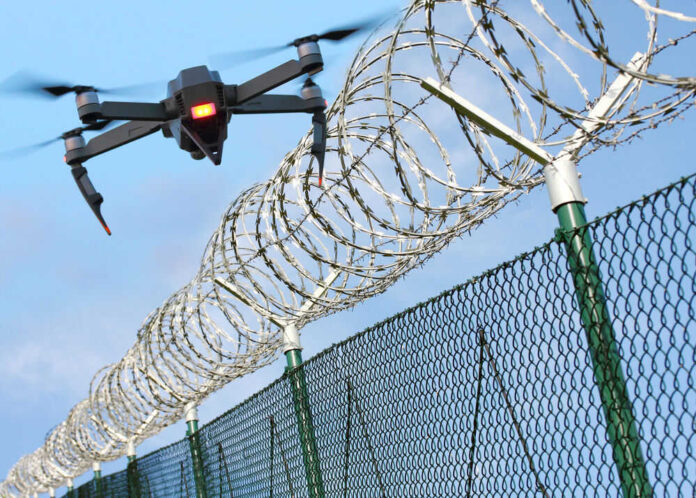
Michoacán, a crucial battleground in Mexico’s ongoing drug war, is under siege by rival cartels fighting for control over lucrative drug routes and local economies. The recent assassination of Uruapan’s mayor, Carlos Manzo, during a public event underscores the audacity and reach of these criminal organizations. Residents live in constant fear as cartels utilize advanced technology, including drones and improvised explosive devices (IEDs), to maintain dominance and expand territories.
The federal government has responded with increased military deployments and targeted operations. However, these efforts have brought only temporary relief. Cartels like the Jalisco New Generation Cartel (CJNG) and Carteles Unidos continue to exploit weaknesses in local governance, further entrenching their power. The introduction of sanctions by the U.S. Treasury aims to freeze assets and disrupt financial networks, but the impact on local violence remains limited.
Economic and Political Strain
The economy of Michoacán is heavily influenced by cartel activities. Extortion acts as an unofficial tax, burdening legitimate businesses and driving many to either comply or face dire consequences. This parallel economy undermines legal industries and deters investment, eroding economic stability. Furthermore, political life is fraught with danger as cartels intimidate candidates and assassinate leaders who oppose them. This climate of fear and corruption stifles democratic processes and discourages honest governance.
International pressure, particularly from the United States, seeks to curb violence through sanctions and intelligence sharing. However, these measures are often reactive rather than preventive, failing to address the systemic issues that allow cartels to thrive. As a result, Michoacán remains a symbol of the broader challenges facing Mexico in its struggle against organized crime.
The Need for Sustained Solutions
Experts argue that true progress in Michoacán requires long-term strategies focused on institution-building and reducing corruption at the local and state levels. Strengthening judicial systems and protecting communities from cartel influence are essential steps. Additionally, international cooperation to control arms trafficking and reduce drug demand in the U.S. is critical. Without these comprehensive efforts, the cycle of violence and instability in Michoacán is likely to continue.
Fear and violence grip Mexico’s Michoacán state as drug cartels battle for control (Video) -By @FernandaPesce_ (@AP). Cartel violence has reshaped daily life across Michoacan, where shifting criminal alliances and growing extortion have left communities.. https://t.co/eMIzUzajQ6
— Juan Calderon 🇪🇨🇫🇷🇲🇽 (@juancalder) December 4, 2025
While some federal interventions have seen temporary success, the adaptability and resilience of cartels present ongoing challenges. The continued focus on militarized solutions without addressing underlying social and economic issues suggests that more holistic approaches are necessary to achieve lasting peace and security in Michoacán.
Copyright 2025, LibertySociety.com