
A federal judge fast-tracked a hearing after CNN, MS NOW, and Politico said Secret Service seized their White House credentials without warning, turning a press fight into a constitutional test of power.
Story Snapshot
- Three outlets sued to restore White House access and won an expedited hearing.
- Their lawyers call the ban First Amendment retaliation and a due process failure.
- The administration says access is a privilege and cites national security to defend the ban.
- Major networks paused press-pool work, showing immediate impacts on coverage.
What Triggered the Lawsuit and Emergency Hearing
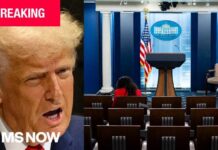
CNN, MS NOW, and Politico filed suit in federal court in Washington on Monday. They asked for emergency relief to restore access to the White House. A judge set a same-week videoconference hearing for Wednesday afternoon, signaling urgency. The outlets say the government cut them off from covering the president in person. They argue that harms the public’s right to timely, independent reporting on the nation’s leader.
Reporters from the three outlets tried to enter the White House complex on Saturday. Secret Service officers blocked them and took their hard passes, according to Politico’s account. The outlets say there was no notice and no way to contest the decision before it hit. That claim strengthens their due process argument linked to the First Amendment challenge. It shows a clear government action that changed access on the spot.
The Core Arguments: Free Press vs. Government Control of Access
The outlets frame the ban as punishment for coverage the president disliked. Their joint statement calls it a direct assault on press freedom and a blatant violation of core constitutional principles. They argue the government cannot pick winners and losers in a press room opened to many. They also cite a past case involving CNN’s Jim Acosta to show courts expect fair process before a pass is revoked.
The administration answers that the First Amendment protects what newsrooms publish, not a seat in the briefing room. In court filings and public statements, government lawyers said White House access has always been a privilege, not a right. They urged the court not to issue a restraining order. They added that no First Amendment rule forces a president to host outlets on the grounds.
Why National Security Claims Raise the Stakes
The Justice Department told the court that national security concerns support the ban. That argument shifts the focus from complaints about negative coverage to alleged risks tied to specific reporting. If a judge defers to security claims, the government’s case gets stronger. If the court sees a moving target, it may treat the new rationale as pretext and look harder at process and viewpoint concerns.
Media attorney says the White House ban is against the "public interest"
Judge Tim Kelly asks Trump attorney to make argument next
This is all happening by videoconference.. and the audio is just awful. (Neil Armstrong sounded clearer on the moon)
— Scott MacFarlane (@MacFarlaneNews) September 23, 2026
Networks that were not banned took a stand too. CBS, NBC, ABC, and Fox News pulled out of the shared press-pool rotation in solidarity. That move slowed the normal flow of video and notes that all outlets rely on. It shows how fast a credential fight can affect the public’s access to basic facts about the president’s day. The boycott underlines that these rules shape what all Americans can see and hear, not just the press corps.
What Legal History Says About Press Pass Revocations
Courts have allowed the White House to manage limited space and security. But they have also said the government must not discriminate based on viewpoint in spaces opened to many reporters. In 2018, a federal judge ordered CNN reporter Jim Acosta’s pass restored on due process grounds. That history suggests rules must be clear and applied fairly, even when presidents and reporters clash.
Both sides face risks. The outlets must prove they were punished for their viewpoint and denied basic process. The administration must show neutral standards and evidence that support its actions. It also must explain why security concerns justify these specific bans now. The judge’s early hearing shows the court understands that day-to-day coverage of the presidency is at stake.
Why This Matters Beyond the Press Room
Americans across the spectrum doubt that Washington works for them. People see leaders protect power first, not the public interest. When access is cut suddenly, it feeds that fear. If politicians can screen out tough questions, the public loses a key check on government. If security becomes a catch-all excuse, trust drops more. Clear rules, fair process, and equal treatment help keep the people, not the politicians, in charge.
Sources:
ibtimes.sg, cnbc.com, theguardian.com, politico.com, nytimes.com, minnlawyer.com, nbcnews.com, english.elpais.com, npr.org, yahoo.com
© libertysociety.com 2026. All rights reserved.