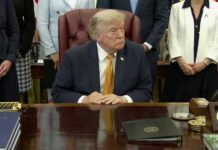

Texas just slammed the brakes on its AI data center boom, raising a sharp question many Americans now share: who is the grid really being built for — tech giants or the people who pay the bills?
Story Snapshot
- Governor Greg Abbott ordered a statewide pause on new data center connections to the Texas power grid until each project is audited for its impact on communities, water, and electricity.
- Abbott now says data centers must “bring their own power,” reuse water, and pay for their own infrastructure so regular Texans are not stuck with higher bills or weaker grid reliability.
- The freeze comes as data centers make up the vast majority of new power requests in Texas, after years of leaders calling the state the “epicenter” of artificial intelligence growth.
- Rural residents and local officials welcome tougher rules, while business groups and some conservatives warn the pause could scare off jobs and investment.
Abbott orders a statewide pause and audits for data centers
On August 3, Governor Greg Abbott ordered a halt on new data center approvals that need to connect to the Texas electric grid. He directed the Public Utility Commission of Texas and the Electric Reliability Council of Texas to audit every data center project in the queue before any new connections can move forward. Abbott said projects that fail state requirements must be denied grid access, stressing that “Texans must come first” in how the grid and local resources are used.
The audits will look at how much electricity and water each data center plans to use, whether the company will build its own power supply, and what steps it will take to limit noise, light, traffic, and other impacts on nearby neighborhoods. Abbott also wants to know how much tax help these projects are getting from local and state governments, a sign that he is worried regular Texans may be paying both higher utility bills and higher taxes to support private facilities.
From “epicenter of AI” to demanding “bring your own power”
In the past year, Abbott and other Texas leaders proudly called the state the “epicenter of AI development,” welcoming data centers as symbols of growth and innovation. That pitch is now colliding with reality. State reports show that data centers make up the vast majority of new requests to connect to the grid, driving what Abbott’s office calls “extraordinary load growth” that could threaten reliability if not managed. This shift helps explain why he is now telling companies to pay for their own infrastructure and even add power capacity rather than simply drawing more from the existing grid.
During a visit to East Texas, Abbott went further, calling for a ban on building artificial intelligence data centers in rural neighborhoods. He said these projects must “bring their own money, bring their own power, reuse their own water,” and reduce electricity costs for residents instead of raising them. For many rural Texans, those comments hit home. They see large facilities arriving fast, with little say from locals, and fear that their land, water, and peace and quiet are being traded away so distant tech firms can profit.
Rural backlash, a withdrawn project, and bipartisan pressure
Public anger over data centers has been building in Texas for months, especially in small towns and rural counties. Residents have complained about noise from cooling systems, bright lights at night, heavy truck traffic, and worries over groundwater and well levels. In Henderson County, a company called Diode withdrew plans for a data center near Cedar Creek Lake after it decided the project did not meet Abbott’s standards or community expectations. Abbott praised the decision as proof that his rules have teeth and that companies must now put local communities first.
At the same time, Abbott faces pressure from several sides. Some Republicans argue that a broad pause could hurt rural economic opportunity just when these areas need jobs and tax revenue. Business groups and data center coalitions warn that Texas risks sending a message that large tech investments are not welcome. On the other side, activists and some Democrats demand even stronger limits, calling for moratoriums on construction until lawmakers can pass detailed rules to protect water, land, and ratepayers next year.
Cost shifting, grid strain, and a deeper trust problem
Abbott’s move fits a larger trend in Texas politics. In recent years, the state passed laws like Senate Bill 6 to make big power users, including data centers, carry more of the cost and risk of their own demand on the grid. Regulators can now require large facilities to pay for new lines and equipment, and, in some cases, even disconnect them during emergencies so homes and small businesses stay online. These steps respond to fears that ordinary Texans have been asked to bear the cost of growth while companies reap profit.
Texas paused every data center waiting in the ERCOT connection queue on Monday. Greg Abbott (Governor) ordered an audit of all 1,800 projects, 474 GW of requests against a grid whose record peak demand is 91.1 GW (EIA).
Two exemptions: you are already connected, or you generate…
— Realvestorx (@realvestorx) August 4, 2026
For many on both the right and the left, the deeper worry is about who government truly serves. Conservatives are tired of what they see as elites and global companies using public infrastructure while everyday families face high energy bills and blackouts. Liberals fear that powerful corporations get tax breaks and special treatment while the gap between rich and poor grows. Abbott’s data center freeze speaks to those shared frustrations by forcing at least one fast-growing industry to “pay its own way,” but the legal details are still thin, and key audits and studies have not yet been made public.
Sources:
reason.com, texastribune.org, usatoday.com, youtube.com, facebook.com, houstonchronicle.com, chron.com, datacenterknowledge.com, mayerbrown.com
© libertysociety.com 2026. All rights reserved.